Wing Chun
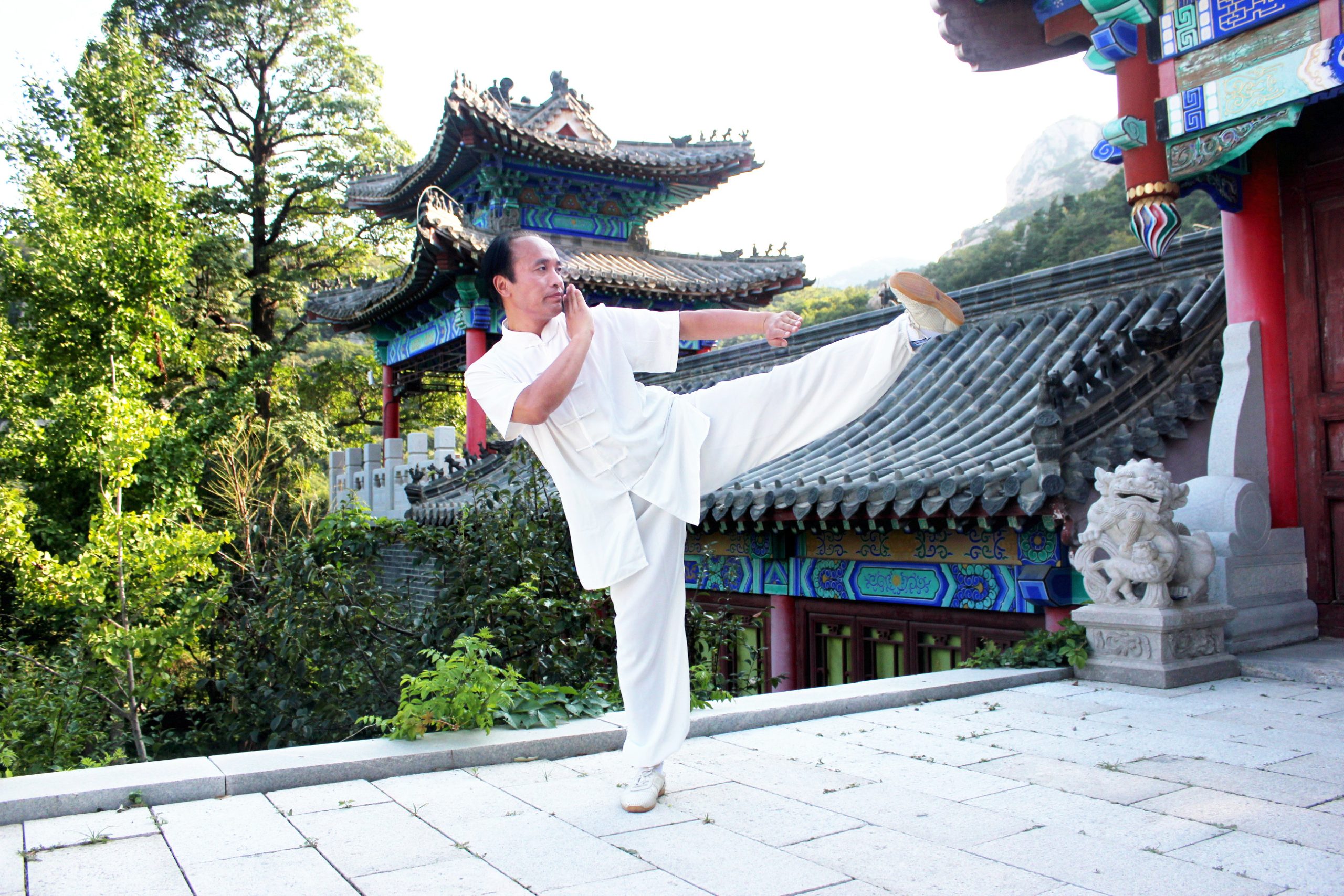
Wing Chun can be used for close-range self-defense, posture correction, as well as calming the mind, cultivating character, and honing on-the-spot reactions.
Contact
Detailed Introduction
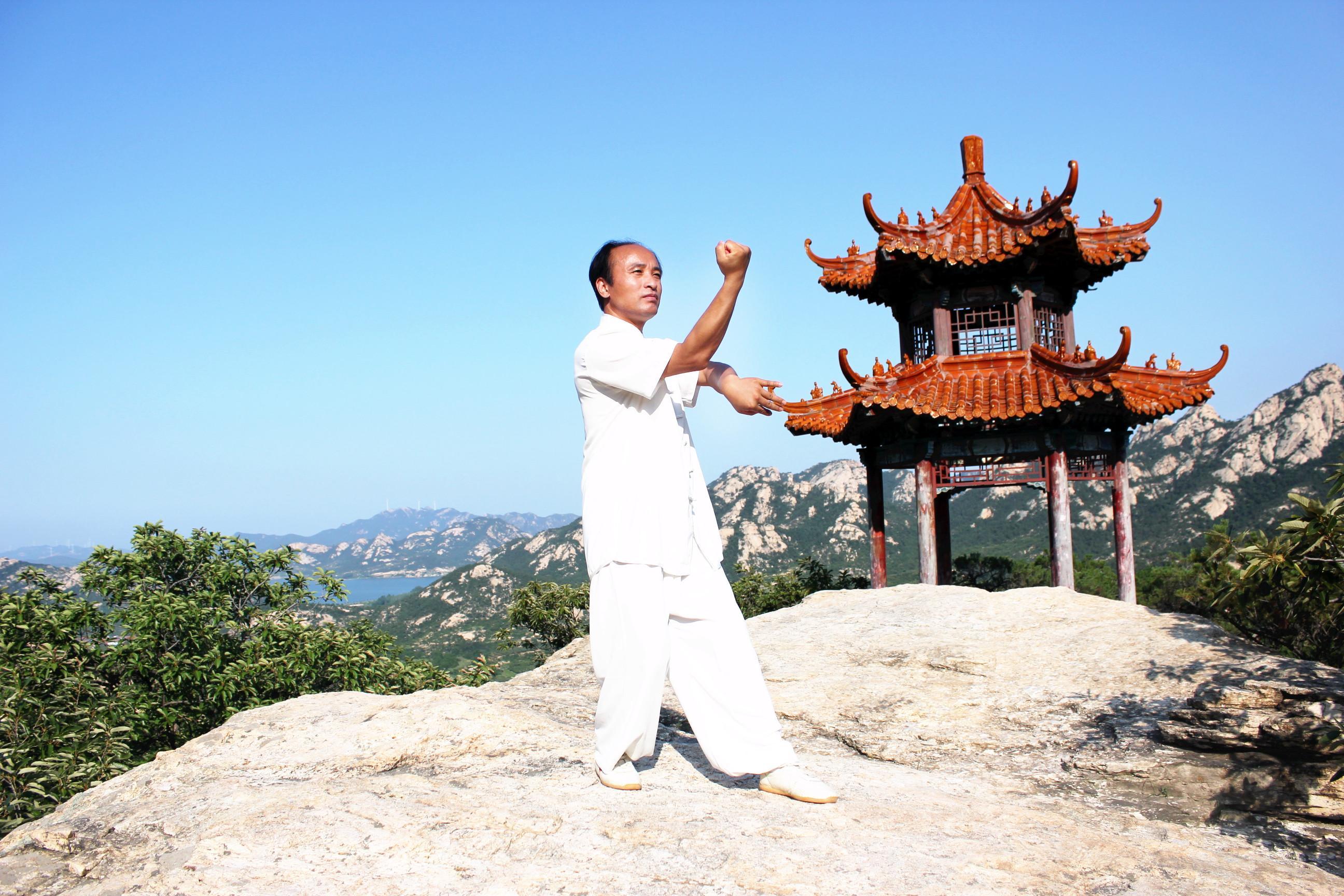
Wing Chun, one of the two most representative orthodox internal martial arts from southern China, shares the same roots and origin but has distinct lineages. Both originate from the martial arts system of the Southern Shaolin Temple. They combinepractical combat application, physical fitness and health cultivation, and body shaping and character developmentmultiple values, and have become popular worldwide due to their scientific, concise, efficient, and practical combat characteristics. It is currently one of the Chinese traditional martial arts with the highest international dissemination and the largest number of overseas practitioners. This article systematically reviewsFoshan Wing Chun (Guo-Style Wing Chun)andTiezhitang Wing Chunthe historical origins, martial arts characteristics, lineage systems, and curriculum systems of the two main streams, suitable for martial arts enthusiasts and overseas students to systematically understand and practice.
I. Brief History of Wing Chun (1) | The Foshan Wing Chun Lineage
1. Origins and Historical Background of Foshan Wing Chun
Traditional Foshan Wing Chun was formally established duringthe Kangxi reign of the Qing Dynasty (1661–1722), founded by a famous nun from the Southern Shaolin TempleAbbess Ng Mui, is a classic, scientific internal combat martial art from southern China. In its early stages, Wing Chun was a niche, secret combat martial art among the populace, not publicly promoted. Through generations of practitioners, it was continuously improved and iterated, optimized and refined to meet the practical combat needs of the times, representing the collective wisdom of martial artists throughout history.
In traditional old society, the threshold for becoming a Wing Chun apprentice was high, the cost of practice was expensive, and the scope of transmission was extremely limited. Only a few children from wealthy families had the opportunity to practice, so it was colloquially known as"Young Master's Fist"To this day, Wing Chun has shed its niche, secretive transmission attributes, with public practice no longer confined by identity or social class. Practitioners now place greater emphasis on inheriting itspractical combat techniques, scientific power generation, humble martial ethics, and the cultural connotations of Eastern martial arts.。
2. Core Martial Arts Characteristics of Foshan Wing Chun
Wing Chun is a systemScientific, human-centric, minimalist, and highly efficient.practical combat art, discarding redundant and flashy performance movements. All techniques serve practical attack and defense, with distinct core advantages:
- renowned for close-quarters combat: Focuses on close-quarters, body-to-body combat, suitable for self-defense in confined spaces. Excels in using the opponent's force against them and overcoming brute force with skill, without relying on raw power to win.
- featuring unique Inch Power generation: World-famous for its iconicInch Power (striking upon contact)chain punch, which delivers extremely powerful penetrating force in a short distance, with energy-efficient generation and astonishing striking impact.
- simultaneous and tight offense and defense: Features rapid punches, tight defense, agile footwork, and swift advance/retreat, achieving integrated attack and defense performed simultaneously, leaving no gaps or vulnerabilities.
- core principle of guarding and using the centerline:Following the centerline theory, it completes offense and defense with the shortest distance and fastest time, being energy-efficient, combining hardness with softness, and requiring minimal energy expenditure.
3. Modern International Spread of Foshan Wing Chun
In modern times, Foshan Wing Chun is mainly popular in South China, including Guangdong and Fujian. Relying on cultural dissemination through film and television and its practical combat system advantages, it has rapidly spread nationwide, while also becoming popular in Asia, Europe, the Americas, Africa, Oceania, etc.in nearly a hundred countries worldwide. Due to its scientific fighting style, simplicity and ease of learning, and high fault tolerance in practical combat, it has now becomea mandatory combat skill for special agents and special forces in many countries, and is the most widely disseminated Chinese practical martial art globally, with the largest number of learners and the most gentlemanly demeanor.
II. Guo-Style Wing Chun | Orthodox Improved Foshan Wing Chun Branch
1. Origins and Lineage of the Fist
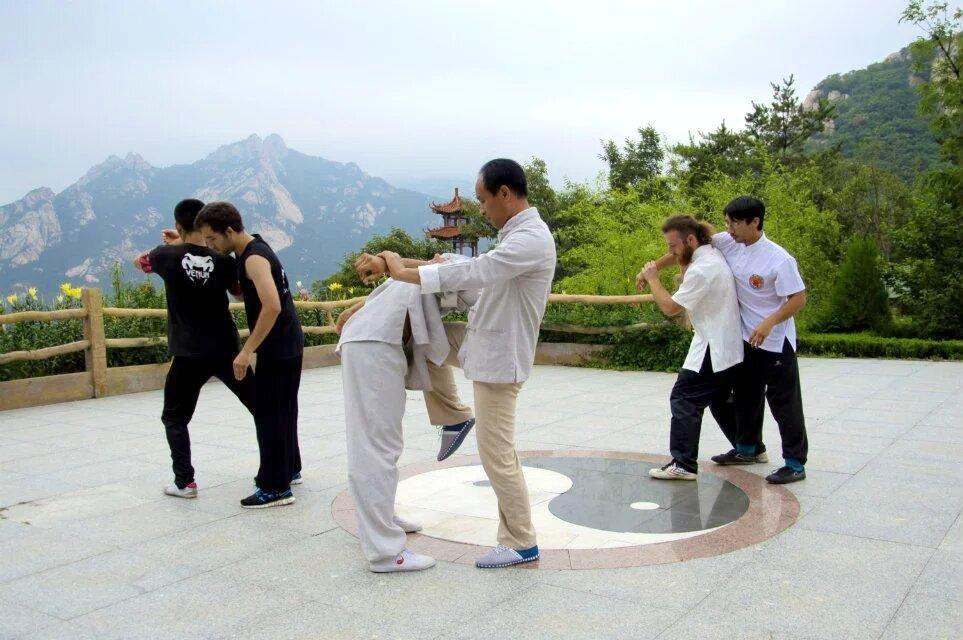
Guo-Style Wing Chunis an orthodox improved school of Foshan Wing Chun, founded byMaster Guo Xinmin, the 24th generation inheritor of Chinese sports intangible cultural heritage—Traditional Jin Gang Li Gong.Original creation. Master Guo Xinmin has been deeply involved in Wing Chun for over 30 years, integrating decades of practice, combat, and teaching experience. On the basis of completely preserving the original core techniques of Wing Chun created by Master Ng Mui, he incorporates traditional internal power generation techniques, enriches and refines the training system, optimizes the details of the methods, and forms a set ofmore practical, easier to learn, more efficient, and balancing combat and wellnessbrand-new Wing Chun inheritance system.
2. Master Guo Xinmin's Orthodox Lineage
Master Guo Xinmin has a profound foundation in martial arts and an orthodox lineage, beingthe 11th generation disciple of Wing Chun and the 4th generation disciple of the Guangzhou lineage of Foshan Wing Chun.He successively studied under orthodox Foshan Wing Chun masters such as Zheng Weimin, Zhang Guangjie, and Li Zhaohua. He later pursued advanced studies in the core techniques of Master Li Hengchang of the Hong Kong Ip Man lineage and Master Guo Weizhan of the Foshan Ip Man lineage. He draws on the essence of various Wing Chun schools, integrates the advantages of Northern and Southern Wing Chun, and combines the principles of traditional internal power and combat force generation to create an exclusive training system. At the same time, he innovatively developsComprehensive Wing Chun Power Cycle Training Methodwhich significantly enhances the practitioner's force penetration, combat effectiveness, and overall martial arts literacy.
3. Core Advantages of Guo-Style Wing Chun
- Beginner-friendly: The techniques are concise and straightforward, the logic is clear, easy to learn and practice. Those without any martial arts background can quickly get started and master professional self-defense techniques in a short time.
- Significant progression for intermediate learnersPractitioners with a foundation in martial arts can make rapid progress, significantly enhancing real-world combat responsiveness, explosive power, striking penetration, and control over opponents.
- Balances combat application and wellnessIntegrating traditional internal energy systems, it enables both combat self-defense and the harmonization of qi and blood, physical strengthening, and mental cultivation.
- High international recognitionIt has now attracted thousands of disciples from over a hundred countries worldwide, with overseas students spread across the United States, France, the United Kingdom, Australia, Sweden, and many other nations, continuously disseminating orthodox Guo-style Wing Chun culture internationally.
4. Core Philosophy and Training Objectives of Guo-Style Wing Chun
Four Core Practice PrinciplesSelf-reliance, self-protection, emotional enrichment, transcendence.
- Self-StrengtheningThrough systematic training, it builds physical fitness, hones perseverance, forges a resilient will, and achieves self-strengthening of body and mind.
- Self-ProtectionMaster professional self-defense skills to respond to sudden violent threats; cultivate a calm mindset to handle various risks in life and work with composure.
- Personal EnjoymentRefine character, settle the mind, discard restlessness, and pursue an elegant and healthy approach to fitness and lifestyle.
- TranscendenceBreak through physical and cognitive limits, continuously improve, transcend oneself, and achieve dual growth in martial arts and life.
Four Training Objectives: Cultivating wisdom, physique, morality, and ability, comprehensively training martial arts talents who are proficient in both civil and martial arts, and possess both virtue and skill.
5. Complete Training Content of Guo-Style Wing Chun
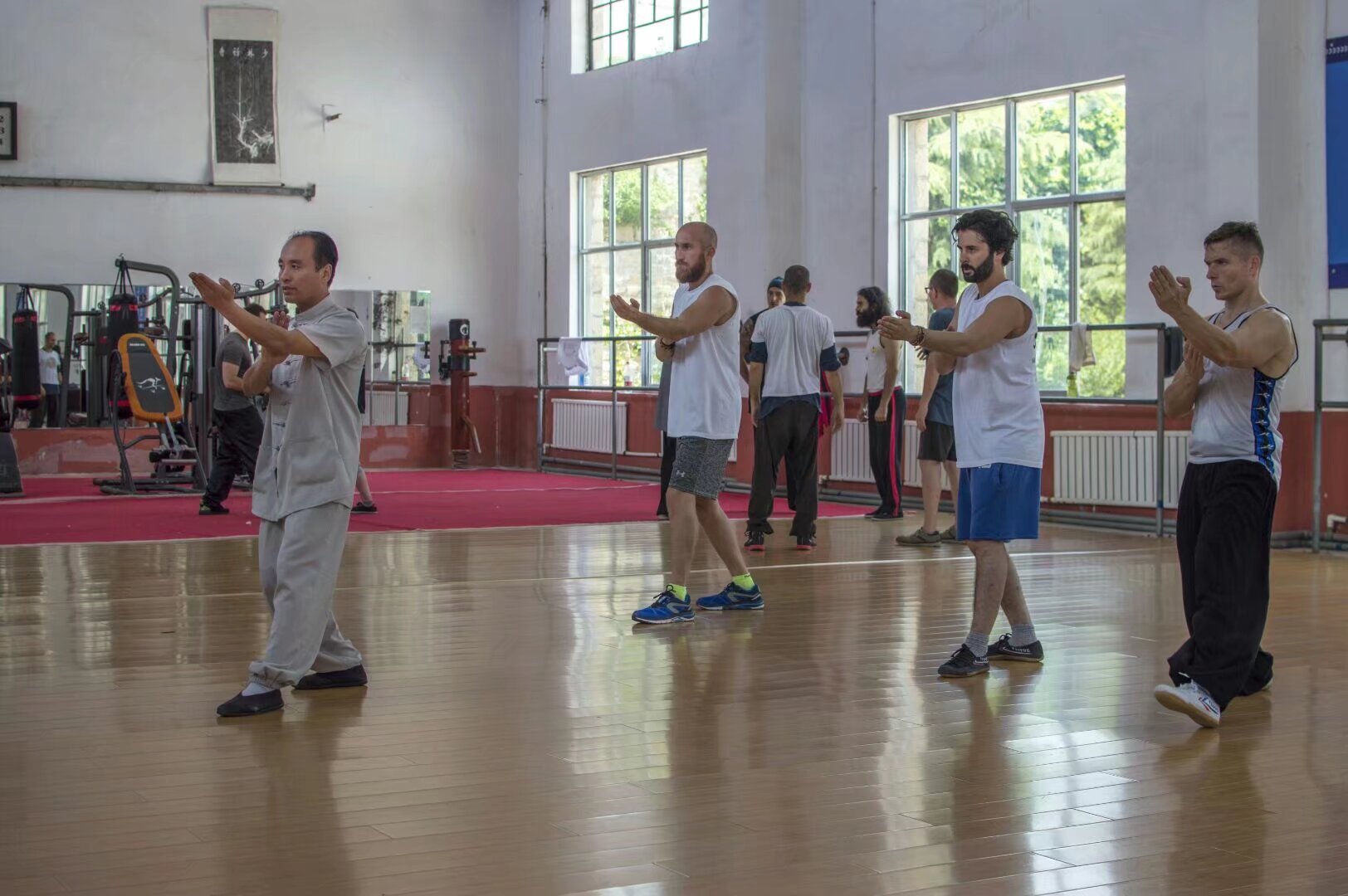
The curriculum system is complete in hierarchy, progressing from shallow to deep, step by step, covering all dimensions: basics, forms, sparring, weapons, and practical combat: Wing Chun basic skills (footwork, stance), twelve scattered forms and sparring practice, Chi Sao training, hand technique application, beginner wooden dummy, Siu Nim Tao, Chum Kiu, Biu Jee, Wing Chun ring hand, Kwok-style 118-movement wooden dummy, six-and-a-half-point pole, eight-cutting knife, bridge-separation practical application, etc.
III. Brief History of Wing Chun (2) | Tiezhi Hall Wing Chun Lineage
1. Origins and Background of Tiezhitang
Tiezhi Hall is located at Feilai Temple in Qingyuan, Guangdong. It is the core orthodox inheritance base of Southern Shaolin Wing Chun, founded inKangxi 47th year of the Qing Dynasty (1708)by the abbot of Feilai Temple, Monk Changweng. Originally named "Daiyu Hall", it is commonly known as "Tiezhi Hall" among the people.
During the Kangxi reign of the Qing Dynasty, Southern ShaolinZen Master Zhi Shantook refuge and lived in seclusion at Tiezhi Hall of Feilai Temple, passing on orthodox Southern Shaolin Wing Chun (including six-and-a-half-point pole and wooden dummy systems) to the temple monks and lay disciples, establishing the inheritance foundation of Tiezhi Hall Wing Chun. The martial art was named "Wing Chun", meaningeternal spring harmony and endless vitality.The essence of the style emphasizes equal importance to practical combat and health cultivation, combining the formidable foundation of Shaolin martial arts with the body-cultivating effects of internal boxing methods.
In the past, monks of the Tiezhi Hall protected the monastery and escorted Lingnan merchant caravans with their martial prowess, their skills resounding throughout the Beijiang River basin and their reputation spreading far. The lineage of Zen Master Zhishan has been passed down through generations of disciples, gradually spreading the boxing methods to places like Foshan and Hong Kong, forming a complete and clear lineage: Zen Master Zhishan → Deng Ben (learned and laid the foundation at Feilai Temple) → Deng Jiu, Deng Pu, Deng Suan → Hong Kong's 'King of the Staff' Deng Yi.
2. Core Fist Characteristics of Tiezhitang Wing Chun
Tiezhi Hall Wing Chun inherits the core of orthodox Southern Shaolin martial arts, featuring a straightforward and powerful style, solid techniques, and highly effective combat applications, with distinct core characteristics:
- Core PhilosophyAdherence to the centerline theory, sticky hands and sticking bridges, blending hardness with softness, striking after the opponent moves, using stillness to control movement, and winning with skill.
- Classic Stance TrainingPrimarily employing the Two-Pole Goat Clamping Stance, with inwardly clamped and stable positioning, solid rooting, strict adherence to the centerline, and stable offense and defense.
- Core TechniquesThe boxing system includes Siu Nim Tao, Chum Kiu, and Biu Jee; the weaponry includes the Six-and-a-Half-Point Pole, Double Knives, Pole Stakes, and the Wooden Dummy, forming a complete yet concise system.
- Method CharacteristicsFeaturing short bridge versatility, sticky hand and sticking strikes, swallowing and spitting, floating and sinking, grappling and closing, close-quarters combat, and continuous flow.
- Power FeaturesRelying on elbow power, unified waist and stance, and snapping power generation, emphasizing...Power without showing form, restrained yet explosive.Explosive power is strong, yet steady and profound.
3. Core Differences Among Three Major Schools: Tie Zhi Tang Wing Chun VS Foshan Wing Chun VS Fujian Wing Chun White Crane Fist
The three share the same origin but have diverged, each with its own characteristics. They are the three main branches of Southern martial arts, with clear distinctions:
- Tiezhi Tang Wing Chun: A pure Southern Shaolin system, built upon the foundation of Shaolin martial arts. It features a complete staff technique system, with a style that is fierce, straightforward, and robust, emphasizing fundamentals and practical combat.
- Foshan Wing Chun: The lineage passed down by Leung Jan and Ip Man, focusing on Chi Sao and Wooden Dummy training. The style is compact, precise, subtle, and agile, emphasizing close-quarters skillful strikes and scientific power generation.
- Fujian Yongchun White Crane Fist: Founded by Fang Qiniang, with the crane-like body movement as its core. The hand techniques are soft, flexible, snapping, and agile, with distinct biomimetic characteristics.
4. Contemporary Inheritance Status of Tiezhi Tang Wing Chun
The Tie Zhi Tang in Feilai Temple, Qingyuan, Guangdong, as the orthodox birthplace, has completely preserved precious heritage artifacts such as ancient fist manuals, staff and dummy equipment, and Wooden Dummies, serving as the core inheritance base for Wing Chun. Currently, its lineage has spread across Hong Kong, Foshan, Dongguan, and other places. Orthodox successors like Leung Chung Wai and the descendants of Tang Yi continue to deeply cultivate the heritage, regularly returning to Tie Zhi Tang for martial arts exchanges and technique discussions. Since 2018, the martial arts historical materials and staff technique records of Tie Zhi Tang have been gradually organized and made public, systematically promoting the inheritance and popularization of this intangible cultural heritage martial art.
IV. Advantages of Course Offerings and Practice at the Vajra Power Martial Arts School
Jin Gang Li Gong Martial Arts SchoolDual-Style Synchronized ClassesFor all Wing Chun and Yong Chun martial arts enthusiasts, we offerFoshan Guo Style Wing Chun, Tiezhi Tang Wing ChunTwo orthodox courses, students can freely choose the martial arts school to practice according to their personal preferences and martial arts training needs.
PracticeTiezhi Tang Wing ChunStudents will have the opportunity to receive exclusive advanced training before graduation, traveling to the birthplace of Wing Chun—Feilai Temple's Tiezhi Hall in Qingyuan—to participate in short-term specialized enhancement, orthodox martial arts study, and graduation assessment, immersing themselves in the ancient temple's martial arts heritage and learning the most authentic Southern Shaolin Wing Chun techniques.
Foshan Wing Chun is exquisite, agile, scientifically practical, and a gentleman's combat martial art popular worldwide; Tiezhi Hall Wing Chun is ancient, dignified, rooted in orthodoxy, and a legitimate heritage technique of the Southern Shaolin lineage. The two major schools share the same origin and coexist, each with its own strengths—one agile and one sturdy, one flexible and one stable—comprehensively interpreting Southern internal martial arts.Combining hardness and softness, using skill to overcome force, balancing offense and defense, and cultivating both civil and martial artsof Oriental martial arts wisdom.