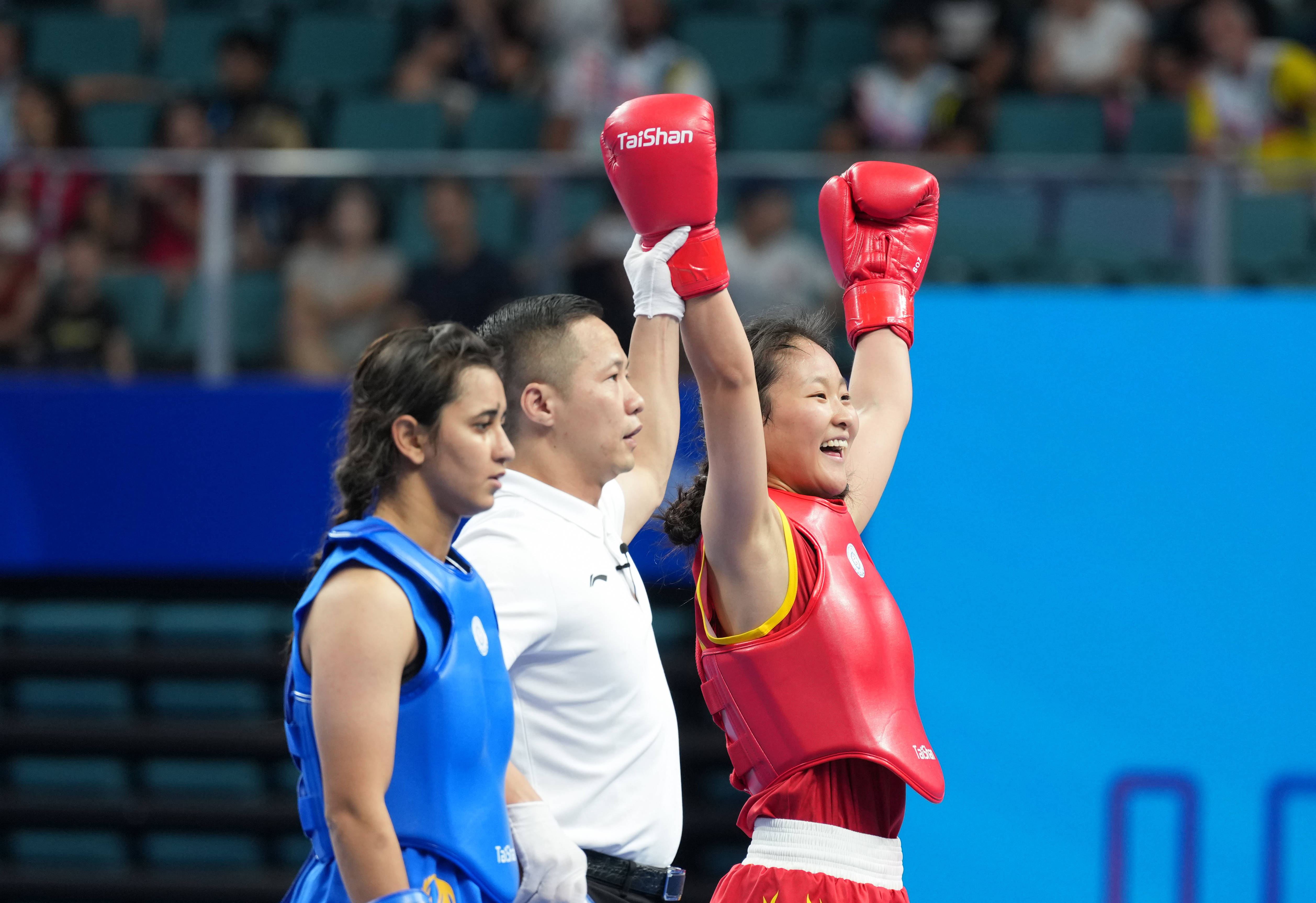
Sanda
Strengthen the body and shape the figure to enhance emergency self-protection ability, temper courage, and release physical and mental stress.
Contact
Detailed Introduction
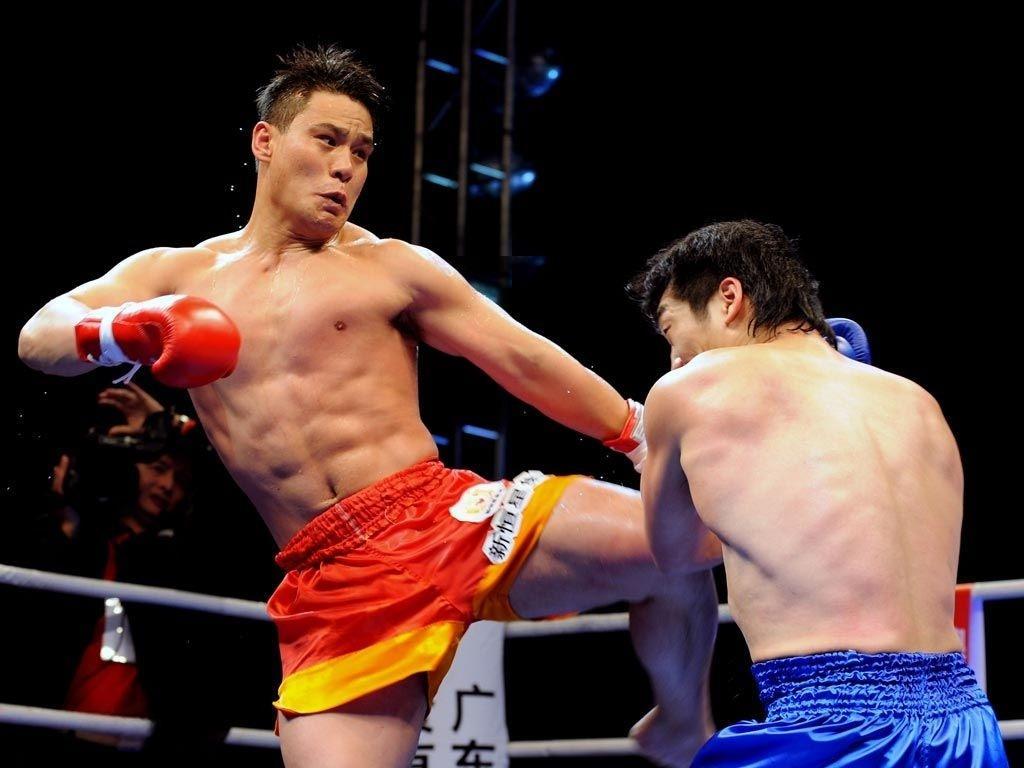
Chinese martial arts are primarily divided into two forms of expression, namelySparring DrillsandCombat Sparring, while Sanda (anciently called Sanshou) is the most representative combat confrontation discipline in Chinese martial arts. Sanda condenses the combat essence of traditional martial arts from various Chinese schools and is a professional sports confrontation project with strong Chinese national characteristics. After thousands of years of development and modern standardization reforms, Sanda combines the heritage of traditional martial arts with the scientific nature of modern athletics. It is deeply loved by the public and is a brilliant treasure of practical value within Chinese martial arts culture.
I. Historical Origin and Development of Sanda
The development of Sanda is synchronous with the long history of the Chinese nation. It originated earliest from the production labor and survival struggles of ancient ancestors, being a practical skill for self-defense against enemies and safeguarding survival. After thousands of years of evolution and iteration, it gradually settled into a mature martial arts confrontation system.
In ancient times, Sanda had many ancient names, includingXiangbo, Shoubo, Bian, Bian, and Baida, which were the core practical techniques for ancient military training, civilian self-defense, and arena competitions. It has run through successive dynasties, accumulating profound practical combat heritage and combat wisdom.
II. Modern Definition and Competition System of Sanda
Modern Sanda is a standardized, regulated unarmed combat sport, with unified competition rules formulated by the National Wushu Management Center. The discipline is grounded in the core combat logic of traditional martial arts, and is built upon the four fundamental techniques ofkicking, striking, throwing, and defense.It is an indispensable and vital component of the Chinese martial arts system.
Modern Sanda has abandoned the complex and lengthy routine practice forms of traditional martial arts. It has synthesized and integrated the universal offensive and defensive principles from various fist styles and schools across the country. It has highly refined, regularized, and simplified traditional punching, kicking, and throwing techniques, retaining the core of practical combat while eliminating redundant moves, thereby forming a set of modern practical combat techniques that are concise, efficient, adaptable to confrontation, and systematically complete.
1. The Two Core Training Forms of Sanda
All offensive and defensive movements in Modern Sanda can be categorized into two fundamental movement forms, covering all combat techniques:
- Linear Techniques: characterized by short trajectories, high speed, direct power application, and strong surprise attack capability, focusing on precise strikes and rapid subjugation of the opponent.
- Arc Techniques: featuring a wide attack range, broad coverage, and substantial destructive power, excelling in large-scale suppression and multi-angle strikes.
2. Modern Sanda Competition Rules
Sanda continues the Chinese traditionalLei Tai: its classic competition format features simple and fair rules, balancing both spectacle and professionalism: competitors fight within a designated ring area, with one party falling off the ring resulting in defeat; the event employsThree Rounds, Two Wins, the player who wins two rounds first achieves ultimate victory.
III. Core Content of Sanda Combat System
1. Striking System
Sanda's core striking includesChong, Guan, Chao, BianFour major categories, corresponding to modern standard terms: straight punch, swing punch, hook punch, whip punch. Among them, the whip punch is a unique technique exclusive to martial arts Sanda, with extremely strong practical applicability. In later periods, it was borrowed and incorporated by numerous international combat sports, serving multiple functions of surprise attack, defense breaking, and heavy striking.
2. Kicking System
Leg techniques are the core scoring method and key to defeating opponents in Sanda, following the martial arts principle of '30% fists, 70% legs.' They also represent the most frequently used and most powerful techniques in Sanda combat. Leg techniques are divided into two major categories: linear and circular types. Core techniques include:front push kick, side kick, whip kick, back swing kick, back push kick, downward chop kick, interception kick, shovel kicketc.
Leg techniques possess significant combat advantages: longer limb reach aligns with the combat logic of 'one inch longer, one inch stronger'; leg muscles are robust with powerful force generation, providing great attack power and broad defensive coverage; lower-body attacks have strong concealment and are difficult to defend against, making them the core lethal weapon in Sanda combat. As the boxing proverb goes:The hands are two doors, and striking is entirely dependent on the legs., which is sufficient to confirm the core position of leg techniques in the Sanda system.
3. Throwing System
Sanda strictly adheres to the core principles of traditional martial arts:kicking at a distance, striking up close, and grappling in close quarters. Sanda's grappling techniques originate from Chinese wrestling and traditional martial arts forms, optimized and upgraded to meet modern combat needs, adapting to Sanda's combat characteristics of 'fast grappling, no grips'. The core revolves around two major principles:destroying the opponent's center of gravity and rotating the entire body, with original techniques such asreceiving-and-throwing, clamping-and-striking-throwand other special techniques.
Sanda's quick-throw techniques are concise, swift, and catch opponents off guard, forming a core advantage that distinguishes Chinese Sanda from various international combat sports. In China-foreign combat exchanges, these techniques have repeatedly become the key to victory, leaving foreign fighters struggling to cope.
4. Defense System
Sanda defense emphasizesActive defense, waiting to counterattack while defending, and concealing attack within defense, the ultimate goal of defense is not passive evasion, but to dismantle the opponent's offense and create opportunities for counterattacks. All defensive movements require quick reactions, precise judgment, and smooth transitions, forming natural offensive and defensive reflexes. Sanda defense is divided into two core types:
- Non-Contact Defense (Evasion): Involves no physical contact throughout, relying on body movement and footwork displacement to evade attacks. It requires precise timing, accurate displacement, coordinated body shape, and agile, swift movement.
- Contact Defense: Involves brief blocking or contact to neutralize an attack. It requires a wide coverage area, small movement amplitude, and fast recovery speed, allowing for instantaneous transition to counterattacks with extremely high offensive-defensive conversion efficiency.
5. Basic Stance & Footwork System
Fighting Stance: Divided into left-front stance and right-front stance, it is the foundation of all Sanda movements, ensuring stable body posture, flexible offense and defense, and free movement forward and backward.
Basic Footwork: Footwork is the foundation of striking. Its core function is to precisely control offensive and defensive distance, adjust positioning, evade attacks, and proactively control the opponent. Core footwork includes: forward slide step, backward slide step, left/right lateral slide step, shuffle step, cross step, lead step, cover step, hop step, circling step, etc. Footwork is flexible and adaptable to various offensive and defensive scenarios.
IV. Core Characteristics and Ethnic Features of Sanda
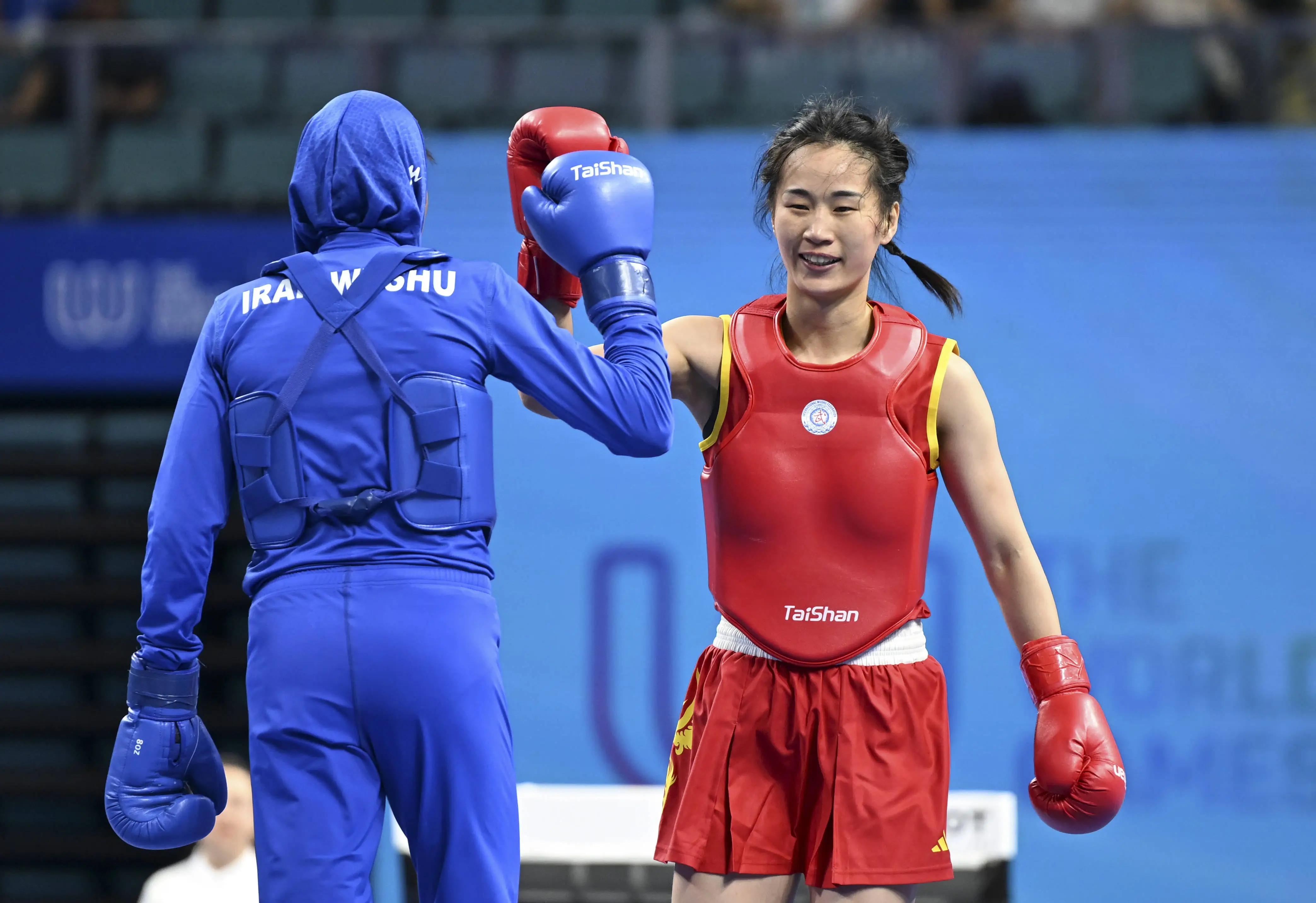
Sanda is a traditional competitive sport rooted in China with unique ethnic characteristics, fundamentally different from international combat sports such as Western boxing, Taekwondo, and Muay Thai, possessing irreplaceable qualities of Eastern martial arts.
Sanda's Core Combat Logickicking at a distance, striking up close, and grappling in close quartersIt features distinct offensive and defensive layers, a comprehensive system with no shortcomings, flexible and adaptable fighting styles that evolve with the times, and demonstrates clear contemporaneity and inclusivity. With the global promotion of Sanda, the technical system continues to improve and mature. Today, some professional and commercial Sanda events have appropriately opened up the use of knee techniques, further enriching combat methods and making the Sanda system more comprehensive and better suited for modern combat confrontation.
The most core expression form of Sanda isAll-Round CombatTrained athletes, within the scope of the rules, are free from the constraints of fixed techniques and can engage in battles of wit, courage, skill, and strength, testing the athletes' on-the-spot reactions, tactical thinking, physical fitness, and psychological quality. It is a true combat sport that requires both wisdom and courage.
V. Dual Physical and Mental Value of Sanda Training
1. Physical Fitness Enhancement
Systematic Sanda training can comprehensively exercise the human body's overall physical fitness, effectively enhancingstrength, endurance, flexibility, agility, and coordination,strengthening muscles and bones, building a robust physique, shaping body posture, improving sub-health conditions, and developing a firm and strong physical quality. Simultaneously, through offensive and defensive confrontation training, it rapidly improves striking ability and the ability to withstand blows, mastering professional self-defense and enemy-defeating skills.
2. Combat Skill Development
Sanda training emphasizes practical application. Through repeated offensive and defensive drills and simulated sparring, it helps practitioners accurately grasp the timing of attacks, refine defensive details, enhance on-the-spot adaptability, and establish mature offensive-defensive conditioned reflexes. It is highly practical, adapting to various scenarios such as daily self-defense and sudden emergencies.
3. Mental & Character Cultivation
Sanda is a high-intensity combat sport. The training process requires overcoming the soreness of ligament stretching and the physical wear of actual sparring, and more importantly, breaking through negative psychological barriers such as timidity, nervousness, hesitation, and recklessness. Long-term adherence to Sanda training can effectively temper one's character and cultivateexcellent qualities such as courage and tenacity, wit and decisiveness, calmness and flexibility, perseverance and self-discipline, and a sense of responsibility,shaping a positive, mature, and steady personality style, and achieving comprehensive physical and mental growth.