Qigong
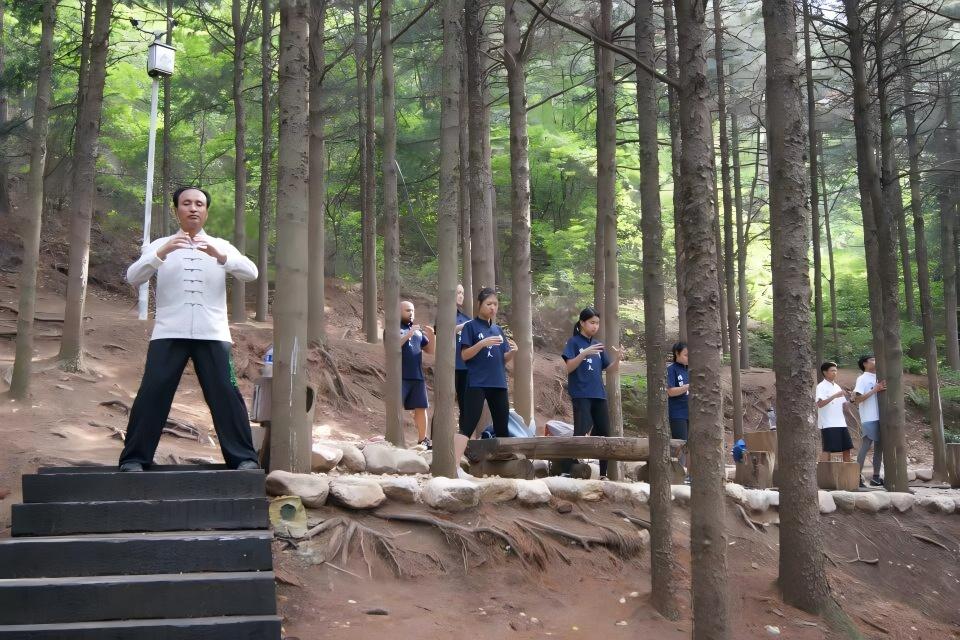
Practice traditional Daoyin stretching to relax the body and mind, calm the mind to relieve stress, and experience the Eastern wellness culture.
Contact
Detailed Introduction
Qigong (also known as Qigong) is a traditional mind-body exercise method that has been passed down in China for thousands of years, and is also an important component of traditional Chinese medicine and Chinese traditional culture. The practice methods are based onregulating breath (Tiao Xi), regulating body posture (Tiao Xing), and regulating mind (Tiao Xin).Through the active regulation of the balance and circulation between the acquired Qi (postnatal vital energy) and the innate Yuan Qi (primordial vital energy) in the human body, it aims to achieve the goals of strengthening the body, preventing and treating diseases, enhancing fitness and longevity, and developing human potential. It is a scientific and systematic system of self-cultivation for life.
I. Core Definition and Essence of Qigong Practice
Qigong is theBreath adjustment (Tiao Xi), body activity adjustment (Tiao Xing), and consciousness adjustment (Tiao Xin)are the three core means. It is a traditional health-preserving practice that systematically exercises the mind and body. The core of its practice is to harmonize the relationship within the human body's Qi system.post-natal natural qiandpre-natal yuan qi (pre-natal qi)Through acquired practice, it awakens, guides, and aggregates the innate primordial energy, ultimately achieving overall optimization of mind and body, regulation of organ functions, and enhancement of the state of life.
Defined from the perspective of Traditional Chinese Medicine: Qigong is a professional mind-body therapy that uses self-cultivation to regulate the spirit (Shen), unblock the meridians, harmonize the flow of Qi, and guide the body's own Qi and blood and organ functions towards coordination and balance.
II. Three Core Practice Elements of Qigong (The Three Harmonizations in Unity)
Regulating the mind, regulating the breath, and regulating the body (regulating form) constitute the three essential elements of orthodox Qigong.Three essential elementsThe three are complementary, form a unified whole, and always take regulating the mind as the core; none can be omitted.
- Regulating the mindRegulating the mind: Adjusting consciousness, emotions, and focus; calming the mind, settling the spirit, and dispelling distracting thoughts; guiding the circulation of vital energy (Qi) throughout the body. This is the fundamental core of Qigong practice.
- Regulating the breathRegulating the breath: Standardizing the depth, speed, and rhythm of breathing; harmonizing internal and external Qi mechanisms; connecting the acquired breath of respiration with the body's innate primordial Qi.
- Regulating the body (posture)Regulating the body: Adjusting body posture, limb movements, and standing post forms; establishing a physical foundation for regulating the breath and mind; facilitating the smooth flow of internal Qi.
III. Three Essential Characteristics of Orthodox Qigong
Orthodox Qigong, distinct from ordinary physical exercise or instinctive activities, possesses three mandatory standards. Only when all conditions are met can it be called orthodox Qigong practice:
- Proactive mind-body activityIt involves comprehensive active regulation of thoughts, breathing, and physical form, with mental intention as the dominant guide throughout the process, rather than passive physical movement.
- Conscious and purposefulThe practice has clear objectives, active planning, and controllable adjustments, distinguishing it from innate biological reflexes.
- Beneficial for physical and mental healthLong-term practice can regulate and nourish the internal organs, balance Qi and blood, and calm the mind, without the drawbacks of depleting vital energy or damaging the body.
IV. Core Differences Between Pre-Heaven Qi and Post-Heaven Qi
Ancient health practitioners strictly distinguishedQi (pre-natal)andQi (post-natal)This is the core key of traditional internal Qigong practice, and also the fundamental principle of Qigong for health preservation and longevity:
Qi (pre-natal)The innate pre-heaven life source energy inherent in the human body, stored in the Dantian, nourishing the internal organs, and governing the origin of life. It is the most fundamental foundation of the body's vital energy (Yuan Qi), which cannot be generated post-natively but can only be nurtured and awakened.
Qi (post-natal)The whole-body energy generated through post-heaven breathing, diet, and metabolic exercise, which serves as the basic energy for the body's daily activities and limb movements.
Essence of Qigong practiceThrough the post-heaven training methods of regulating breath, form, and mind, one connects to and awakens the pre-heaven Qi, allowing the Qi mechanisms of pre-heaven and post-heaven to merge into one. This consolidates the foundation, cultivates the root, eliminates illness, preserves health, prolongs life, and develops human potential.
V. Historical Origins and Documentary Records of Qigong
1. Ancient Origins and Early Terminology
Qigong has a legitimate transmission history of over two thousand years. Primitive Qigong had no unified name; in ancient times, it was mostly referred to as 'dance', 'guiding and pulling', or 'pressing and treading'. China's earliest extant medical classic, the 'Huangdi Neijing · Suwen · Yifa Fangyi Lun' (Yellow Emperor's Inner Canon · Basic Questions · On the Appropriateness of Different Methods for Different Regions), explicitly records: 'For atrophy, cold and heat, its treatment is suitable for guiding and pulling, pressing and treading', which is the earliest authoritative literature record concerning Qigong for health preservation and disease treatment.
Practices recorded in ancient texts through the ages, such as meditation, sitting and forgetting, Zen meditation, embryonic breathing, circulating qi, absorbing qi, regulating qi, microcosmic orbit, and internal alchemy, all belong to the category of the legitimate Qigong system.
2. Origin and Popularization of the Term 'Qigong'
The term 'Qigong' can be traced back as early as the Jin Dynasty Daoist text 'Lingjianzi' written by Xu Xun, and had clear written records by the latest in the Sui and Tang dynasties. The Sui-Tang era text 'Zhongshan Yugui Fuqi Jing' (Zhongshan Jade Cabinet Scripture on Absorbing Qi) records: 'The wondrous chapters of Qigong, the way of qi techniques is roughly similar', laying the foundation for the systematic development of Qigong.
In modern times, following the establishment of the Beidaihe Qigong Sanatorium in 1950, the term "Qigong" was officially standardized and normalized. It gradually gained nationwide promotion and became the unified name for the traditional discipline of health preservation.
VI. Mainstream Classification System of Qigong
1. According to practice method: Dynamic exercises, Static exercises, Dynamic-static combination
- Still Qigong:The body remains still, focusing on regulating the mind and breath as the core, relying on intention to regulate the flow of internal qi, primarily emphasizing sitting in meditation to focus the spirit, nourish qi, and consolidate the foundation.
- Moving QigongFocuses mainly on physical movements and guided form exercises, combined with synchronized intention and breath circulation, integrating form and breath to clear the meridians throughout the body; the representative school is the Guiding and Pulling school.
- Combination of Stillness and MovementThe predominant mainstream practice mode of orthodox Qigong: stillness for nurturing Qi, movement for circulating Qi, complementary dynamics and stillness, balancing Yin and Yang, optimal for health preservation and practice efficacy.
2. By practice purpose: nurturing Qi, refining Qi
- Nourishing QiOriginating from Daoist meditation techniques, it focuses on gathering and consolidating Qi in the Dantian, isolating external distractions, preventing the leakage of innate Yuan Qi, primarily aiming at cultivating character, strengthening the foundation, and preserving health.
- Refining QiCentered on the circulation and transformation of Qi mechanism, it can guide internal Qi to the limbs, waist and abdomen, or the whole body as needed, suitable for martial arts power generation, physical strengthening, and enhancing combat effectiveness.
Qigong breathing emphasizes Yin-Yang balance: exhalation is Yang, dynamic, and firm; inhalation is Yin, still, and gentle. Practice requires the fusion of Yin and Yang, the combination of firmness and gentleness, and the unity of movement and stillness, and the circulation of internal Qifollows the meridians naturally and must not be forced in reverse,otherwise, it may easily disrupt the Qi mechanism and damage the internal organs.
3. Five Major Ancient Schools of Practice
- Confucian Qigong: The core purpose is to cultivate the body and nourish the spirit, refine one's character, and establish virtue to educate people, focusing on the simultaneous cultivation of moral character and physical and mental well-being.
- Medical Qigong: Centered on disease prevention and treatment, health preservation and strengthening the body, and regulating the functions of the internal organs, it is an auxiliary therapy in traditional Chinese medicine.
- Daoist Qigong: Focuses on the simultaneous cultivation of body and mind, life and nature, emphasizing the refinement of Qi to return to the elixir field, solidifying the foundation for longevity.
- Buddhist Qigong: Centered on refining the mind, achieving Zen, breaking attachments, and spiritual liberation, it includes practices such as meditation, sitting quietly, and self-cultivation for salvation.
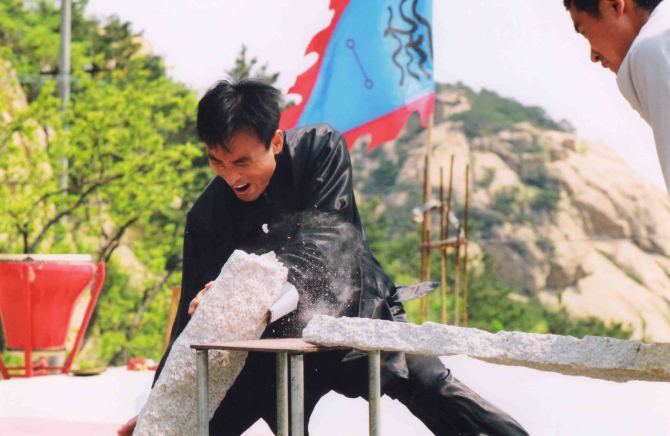
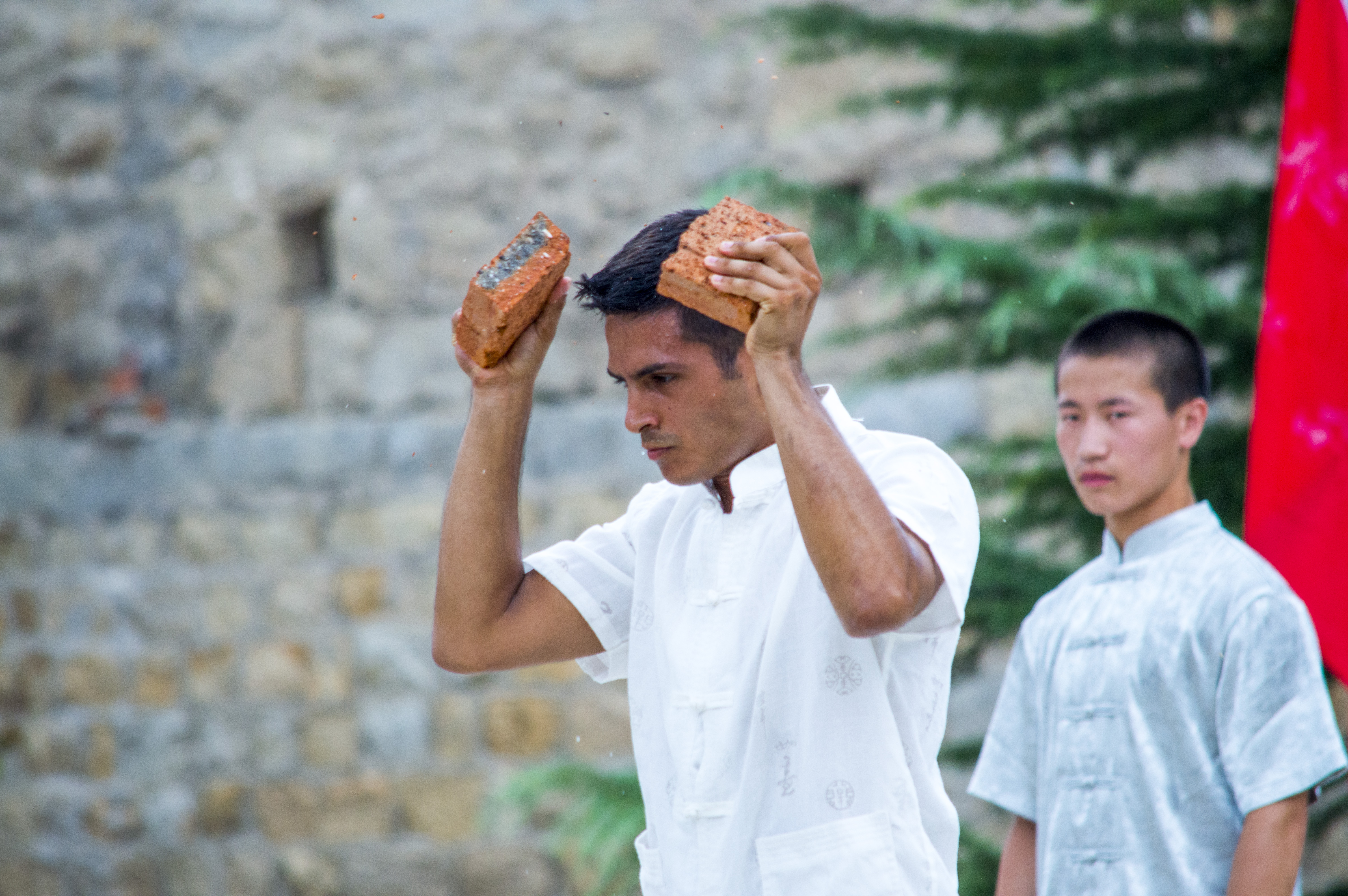
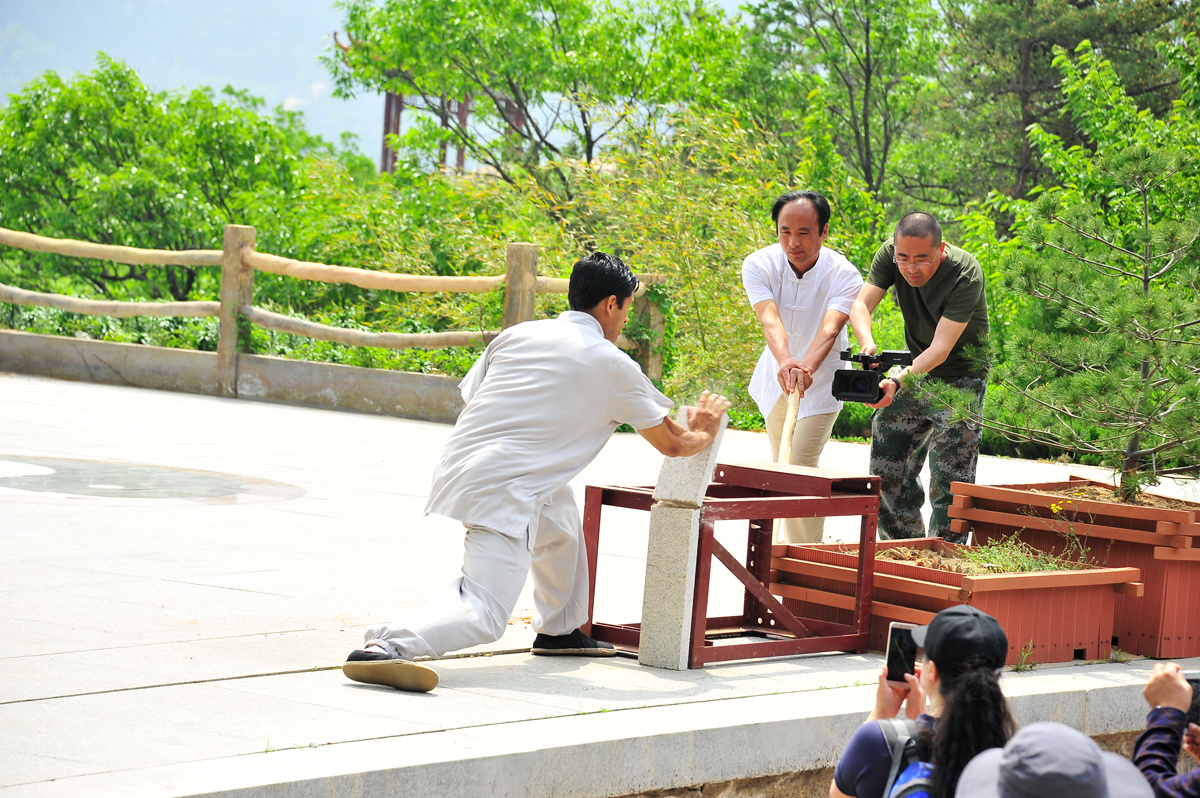
- Martial Arts Qigong: Specifically designed for strengthening the body, enhancing explosive power, improving resistance to blows, and refining practical martial arts combat skills.
4. Five Major Systems Based on Method Characteristics
- Breathing Regulation School: Centered on breathing exercises, it regulates breath to nourish Qi and purify the body's Qi mechanism.
- Meditation School: Primarily focuses on concentrating the mind through intention and sitting quietly with an empty mind, dedicated to focusing intention and calming the spirit; ordinary quiet sitting belongs to this category.
- Visualization School: Relies on intentional visualization and concentrating the mind to gather Qi, guiding the orderly movement and transformation of internal Qi.
- Microcosmic Orbit School (Internal Alchemy School):Relying on the harmonious flow of intent and qi to drive internal energy along the Ren and Du meridians in a microcosmic orbit circulation is a high-level internal cultivation method.
- Guided Movement School:Primarily focusing on dynamic exercises, it combines physical movements with the circulation of intent and qi, possessing both meridian-clearing and self-massage benefits.
VII. The Core Cultivational Value and Therapeutic Effects of Qigong
Qigong is based on the traditional holistic view of life. Through proactive, introspective mental training, it transforms, perfects, and elevates the body's life functions, converting natural instinctive health preservation into a conscious, intelligent, scientific practice. It is a core part of traditional Chinese culture, alongside Traditional Chinese Medicine and martial arts, and has gained worldwide popularity.
1. Daily Physical and Mental Health Value
Long-term practice of orthodox Qigong can effectively clear meridians, harmonize qi and blood, balance organ functions, alleviate physical and mental fatigue, improve sub-health states, and calm restless emotions, achieving the effects of strengthening the body, extending lifespan, and nurturing both body and mind.
2. Auxiliary Rehabilitation for Diseases
Qigong can serve as a professional auxiliary rehabilitation therapy, adaptable to different constitutions and conditions, providing targeted body conditioning:
- For those with stomach diseases or gastric ulcers: Practice Neiyang Gong (Internal Nourishing Qigong) to harmonize the qi mechanism of the spleen and stomach and improve organ function.
- For those with tumors or severe physical weakness: Practice Xingbu Gong (Walking Qigong), Guo Lin New Qigong, or Zikong Qigong (Self-Control Qigong) to cultivate and supplement innate primordial qi.
- People with high blood pressure, neurasthenia, and chronic pain: Practice relaxation Qigong to soothe the body and mind, stabilize blood pressure, calm the nerves, and relieve pain.
- People with bedridden weakness and deficiency of vital energy: Practice strengthening Qigong to consolidate the foundation, cultivate vital energy, and restore bodily functions.
- People with neck, shoulder, waist, and leg pain: Practice guiding Qigong to activate muscles and bones, repair joint function, and improve postural strain.
3. Value for Enhancing Martial Arts Internal Skill
Martial arts Qigong is the core foundation of advanced proficiency in traditional martial arts. It can rapidly enhance a practitioner's Dantian vital energy, whole-body explosive power, striking penetration, and impact resistance, laying a solid internal foundation for combat techniques and advanced skill progression.
VIII. General Qigong Practice Guidelines and Contraindicated Groups
1. Eight General Principles of Practice
General core practice requirements for all orthodox Qigong:Relaxation, tranquility, and naturalness; intention and breath following each other; combining practice with nourishment; integrating movement and stillness; progressing step-by-step; adapting to individual conditions and illnesses; persistent practice; and maintaining moderation in daily life.The entire practice process centers on regulating the mind, focusing primarily on internal training with external training as supplementary. It is a comprehensive life cultivation system that integrates psychotherapy and exercise therapy.
2. Unsuitable for Practice
Individuals with mental illness, acute massive hemorrhage, persistent high fever, various acute illnesses, and acute infectious diseases are temporarily unsuitable for practicing Qigong, to avoid triggering qi mechanism disorder and exacerbating physical burden.
IX. Core Essence and Positioning of Qigong Practice
Qigong differs from ordinary physical therapy. Physical therapy focuses solely on limb movement, whereas Qigong centers on regulating the mind, with breath and physical movements serving to regulate the mind. The three regulations are unified, combining internal and external cultivation with an emphasis on internal practice. Its core essence is:Combining acquired vital qi with innate primordial qi into vast righteous qi, performing self-regulation and self-training on the human body's life process, ultimately achieving the traditional life science of physical fitness, longevity, and perfection of body and mind.。
X. Establishment of Orthodox Qigong Courses at Our School
Our school focuses on the inheritance of traditional Chinese internal martial arts culture, offeringTraditional Chinese Advanced Internal Power — Jin Gang Li Gong Qigong Coursewhile teaching various orthodox traditional health-preserving Qigong. The courses align with the principles of orthodox Qigong practice, encompassing health preservation and rehabilitation, mind cultivation and moral establishment, internal martial arts skill enhancement, and self-defense and physical fitness. They are suitable for systematic practice by students with zero foundation.