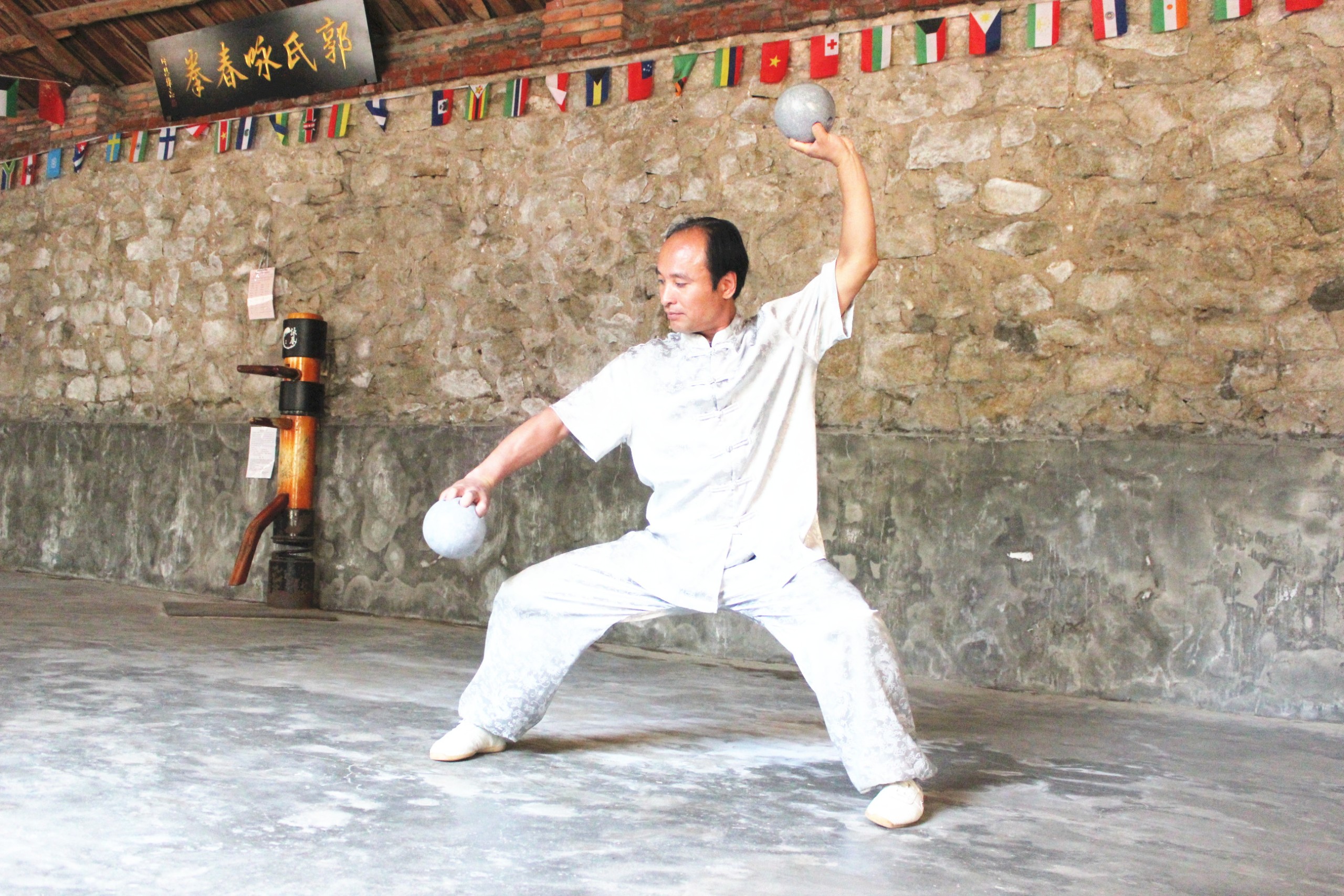
Bajiquan
Practicing Bajiquan can strengthen muscles and increase strength, while also providing close-range self-defense and cultivating a resilient mindset.
Contact
Detailed Introduction
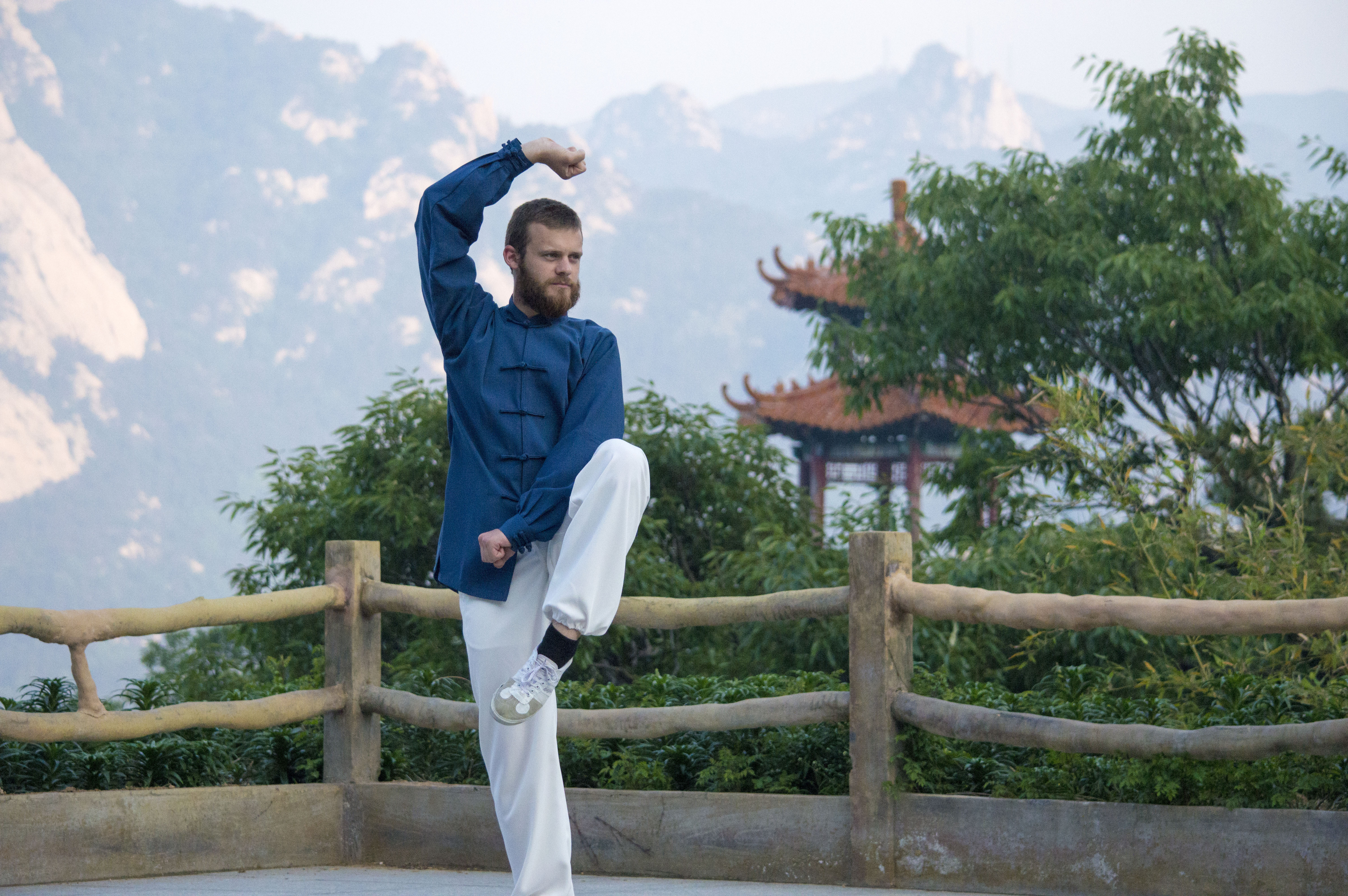
Bajiquan, a classic traditional close-range combat martial art from northern China, is also known asKaimen Bajiquan, Bajiquan, Baziquan, or Zuoshaxing. It is a martial art with a distinct style and extremely strong practical combat attributes within traditional Chinese martial arts, and is alsoNational Intangible Cultural Heritage. The martial arts community has long held the timeless conclusion:"Civil arts bring peace to the world with Tai Chi, martial arts stabilize the universe with Bajiquan", which sufficiently demonstrates Bajiquan's top-tier status and hardcore combat value within China's martial arts system.
Bajiquan's style is fierce and explosive, its techniques are direct and ruthless, and its close-range lethality is outstanding. It deeply inherits the ancient military martial arts system and is widely recognized in modern times asImperial Palace Guard Fist Technique. The personal bodyguards of the last Qing emperor Puyi, the first Chairman of the People's Republic of China Mao Zedong, and the President of the Republic of China Chiang Kai-shek all systematically practiced Bajiquan, making it an orthodox self-defense martial art verified through a century of practical combat. Currently, Bajiquan is prevalent in northern China and the Taiwan region, widely spread to many countries around the world including Japan, the United States, and Canada, and is an internationally renowned representative of Eastern practical martial arts.
I. The Origin and Orthodox Lineage of Bajiquan
1. Origin of the Fist Technique and the Founding Grandmaster
The embryonic form of Baji Quan martial arts originated inEarly years of Qing Dynasty Yongzheng periodThe unique martial art of the reclusive and eccentric master Lai Pi, featuring an ancient, profound, and heavy foundation in boxing techniques and a solid basis in practical combat. During the Kangxi to Jiaqing periods of the Qing Dynasty, a Hui Muslim martial artist from Mengcun, Cangzhou, Hebei,Wu Zhong (1712–1802)inherited the true teachings of Master Lai Pi, absorbed the strengths of various martial arts, integrated ancient battlefield military techniques with traditional close-quarters hard qigong, and compiled and established a complete, logically coherent, and tightly defensive exclusive system of Bajiquan.
Wu Zhong gained worldwide fame with his exquisite martial skills. He single-handedly stormed the Southern Shaolin Temple three times, outmatched the Qing Dynasty's 14th Prince Yinti, and with his formidable strength, established his own school, becoming the universally recognizedFirst Generation Founding Master. Currently, the mainstream authoritative view in the martial arts world holds that Bajiquan is an orthodox traditional Hui Muslim boxing method originating from the Cangzhou area of Hebei.
2. Historical Positioning: The Exclusive Martial Art for Top Political Figures' Security in Modern Times
Unlike traditional boxing methods that emphasize health preservation and performance, Bajiquan has been centered on defeating opponents in actual combat since its inception. Its moves are simple and brutal, devoid of redundant flashy forms, and highly efficient in subduing enemies at close range. With its ultimate close-quarters protection and emergency combat capabilities, Bajiquan has long served as the exclusiveImperial Palace Guard Martial Artsfor modern political figures, used for high-level close protection and sudden defense—it is a practical martial art truly proven through historical combat.
3. Modern Authority Certification and International Spread
In 1997, after authoritative review by expert groups from the State Physical Culture and Sports Commission and the Chinese Wushu Association, Bajiquan was officially awardedTen Outstanding Traditional Chinese Fist Styles. In 2010, Bajiquan successfully enteredSecond Batch of National Intangible Cultural Heritage List, completing official standardization certification. After 300 years of inheritance and development, Bajiquan has emerged from the folk and gone global, becoming a core choice for martial arts enthusiasts worldwide to practice practical combat martial arts.
II. Explanation of the Name Bajiquan and Core Martial Arts Connotations
1. Core Meaning of 'Baji'
"Bajiquan" derives from traditional Chinese philosophy, referring toThe Farthest Reaches of Eight Directions. It signifies that Bajiquan techniques reach all directions and cover all areas in attack and defense, with strikes reaching the eight directions and no blind spots in offense or defense. It allows free advance and retreat, enabling attack and defense from all sides, making it an all-encompassing, three-dimensional combat martial art.
2. Four Deep Meanings of 'Kai Men Baji'
Bajiquan is also known as "Kaimen Bajiquan" (Opening the Door Bajiquan). "Kaimen" contains four core martial arts connotations and is the core identifier that distinguishes Bajiquan from other martial arts styles: First, opening the door to establish a household and standing apart, forming a complete martial arts system; Second, opening the door to teach disciples and engage in open exchange, not hiding techniques and sharing them widely for inheritance; Third, using theSix Big Openings (Ding, Bao, Dan, Ti, Kua, Chan)The core force principle lies in explosive power, breaking through the opponent's defenses, and opening the gate without obstruction; fourth, entering the key points through the gate, understanding the principles, deriving endless variations from one principle, and making all variations natural, achieving complete mastery and comprehensive integration.
3. Overall Martial Arts Framework and Mental Methods
The core structure of Bajiquan emphasizes:The head and feet represent Heaven and Earth, the shoulders, knees, elbows, and hips represent the four directions, the arms are paired front and back, and the Dantian holds the origin in the center.The overall mental method follows: leading Qi with intention, using Qi to drive force, coordinating the three plates and six points, unifying inside and outside, creating a majestic momentum and generating power in all eight directions. The essence of practice lies inthe whole body being eyes, the entire form being hands.Movement leads to change, change leads to transformation, transformation leads to agility, with endless variations and offense or defense at will.
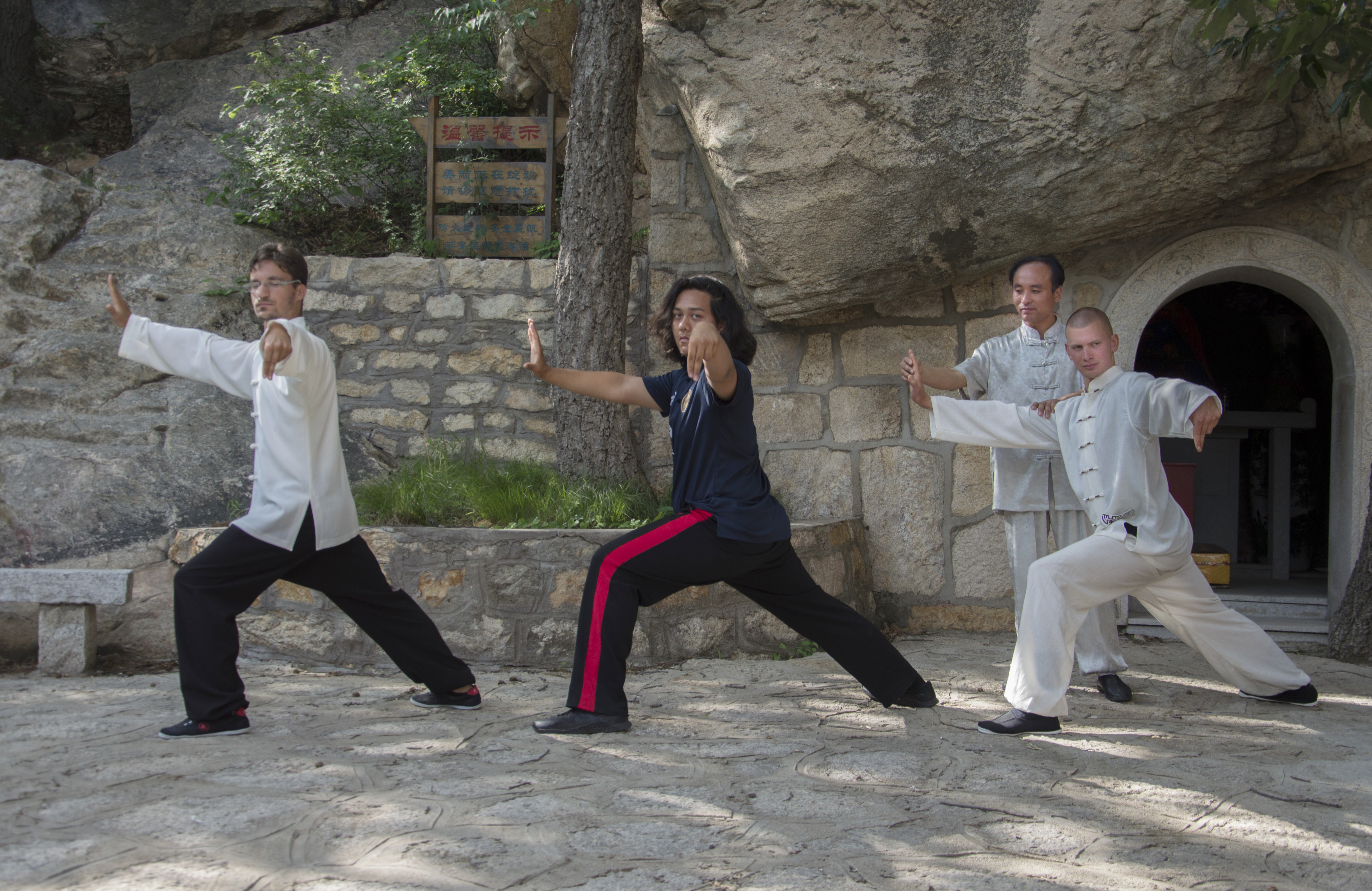
III. Bajiquan Fighting Style and Combat Characteristics
1. Overall Competitive Style
Bajiquan's competitive style is highly recognizable, with overall movementsConcise and unadorned, with swift and decisive movements, rising and falling abruptly, and forceful, direct attacks.It employs many elbow techniques, frequent linear back-and-forth movements, and no superfluous, flashy actions. The fist techniques are delivered with explosive and fierce power throughout.Using Qi to Drive PowerThis is accompanied by the 'Heng' and 'Ha' sounds to aid power generation. The body moves like a taut bow, strikes like thunder, follows the momentum, and is as fast as lightning. Simultaneously, it integrates the three forces of stomping, grinding, and charging into one, delivering close-range power and seizing the initiative with an overwhelming, combat-dominating force.
2. Pictographic and Power Systems
Baji Quan techniques incorporate the postures of natural creatures, including:Ten Pictographic Formsthe dragon, tiger, bear, deer, ape, roc, chicken, crane, camel, and snake, drawing on the agility and stability of all things to enrich body movement variations. It also features a corresponding set of:Ten Power Types: Shake, shrink, stare, contain, sweep, collapse, support, straighten, vertical, horizontal, ten types of force progress layer by layer, combining hardness and softness, adapting to different attack and defense scenarios, with thorough force application and rich layers.
3. Core Combat Philosophy
Baji Quan is a typical close-range combat style, with its martial core being:inch-by-inch interception and control, and forceful, direct attacks., focusing onbumping, shouldering, squeezing, leaning, and explosive strikingIn actual combat, seize every opportunity and exploit any opening. Do not block or parry; respond to each move as it comes. Avoid unnecessary struggle; subdue the opponent directly. Power generation follows the principle: 'starting from the tailbone, issuing from the neck, originating from the waist, and penetrating to the fingertips.' Throughout, sink the breath to the dantian, avoiding restlessness and agitation. The explosive power is extremely strong, with distinct combat characteristics.
IV. Baji Quan's Signature Core Combat Techniques
1. Signature Ultimate Skill: Tie Shan Kao (Leaning Body Strike)
Tie Shan Kao is Baji Quan's most representative unique technique and its core lethal weapon in close-quarters combat. Baji practitioners spend years leaning against walls, trees, and posts to refine their body power and perfect their close-range striking skill. The core of this technique lies inExtreme Close-Quarters Entry, adhering to the close-quarters principle of 'striking like a kiss,' to get as close to the opponent as possible. Although the shoulder appears to be the point of force application, it actually integrates the twisting power of the waist and hips with the whole-body unified force. In an instant, it delivers a collision strike that can directly disrupt the opponent's center of gravity, causing severe damage or knockdown. Its close-range suppression effect is unparalleled. Relying on the unified force of the Six Openings and One Closing, Tie Shan Kao becomes fierce, powerful, and indestructible.
2. Core Leg Technique: Cuo Ti (Scraping Kick)
Rubbing kick is the iconic low-level leg technique of Bajiquan, perfectly matching Bajiquan.Walk as if wading through mud, feet not exceeding the kneesThe principles of footwork. The scraping kick focuses its attack on the opponent's knee and below, specifically the foot area. It does not aim for high-intensity damage but rather emphasizes using skillful force to subdue the opponent. By precisely kicking and tripping to disrupt the opponent's lower-body center of gravity, it uses gentle force to skillfully knock them down. It is steady, safe, highly practical, and well-suited for close-quarters combat and offensive-defensive scenarios in confined spaces.
3. Three-Level Continuous Attack Combat System
Bajiquan formed a mature and complete three-level continuous attack and defense system, with clear and standardized combat formulas:Strike the upper points by brushing and lifting, strike the middle by pressing and leaning, strike the lower by eating the root and burying the rootIn actual combat, it emphasizes the coordination of three plates and seamless connection, while following core principles: do not entangle when high, do not block when low, ignore punches from left and right, and focus on the central path; yield without stepping forward, but stepping forward must include a leg technique; advance to strike with force and break through, retreat to defend steadily and solidly, the body never leaves the main gate, the feet never step on empty ground, with rigorous attack and defense logic and efficient, swift combos.
Five, Bajiquan Qi Circulation Mental Method and Nine Essentials of Body Technique
1. Orthodox Qi Circulation Essentials
Bajiquan cultivates both internal and external aspects, with strict regulations for qi circulation: the breath begins at the tailbone, emanates from the nape of the neck, originates from the waist, and throughout the movement, one walks as if wading through mud, with qi sinking to the dantian. It strictly prohibits floating qi, bodily restlessness, and scattered force. Through regulated qi circulation, it achieves the unity of intent, qi, and power, allowing external techniques and internal breath to perfectly align, thereby combining practical combat power generation with visceral health preservation.
2. Nine Core Principles of Body Movement
Body method is the key to the thorough penetration of power in Baji Quan, with nine major practice guidelines running through the entire process: 1. Correct intention and straight body; 2. Relaxed shoulders and sinking breath; 3. Externally square, internally round; 4. Containing the chest and lifting the crown; 5. Shaking the hips and uniting the waist; 6. Hands and feet coordinating; 7. Breath and power connecting thoroughly; 8. Three levels advancing together; 9. Mind guarding the dantian. Only by strictly adhering to these nine essentials can one develop standard body posture and thorough, unified power, avoiding rigid brute force and loose, empty energy.
3. Combat Mental Methods
Baji Quan combat emphasizes a balance between movement and stillness, and a measured approach to attack and defense: If the opponent does not move, I do not move. If they move, I use hand techniques to lure them into initiating first, then immediately employ methods of bursting open, wrapping, and entering to forcefully break through the opponent's defenses. By closing in for close-quarters combat and striking with three levels simultaneously, one achieves the effect of one move serving three purposes, three methods merging into one, and three forces issuing together, subduing the enemy in a single, decisive, and highly efficient action with a very high tolerance for error.
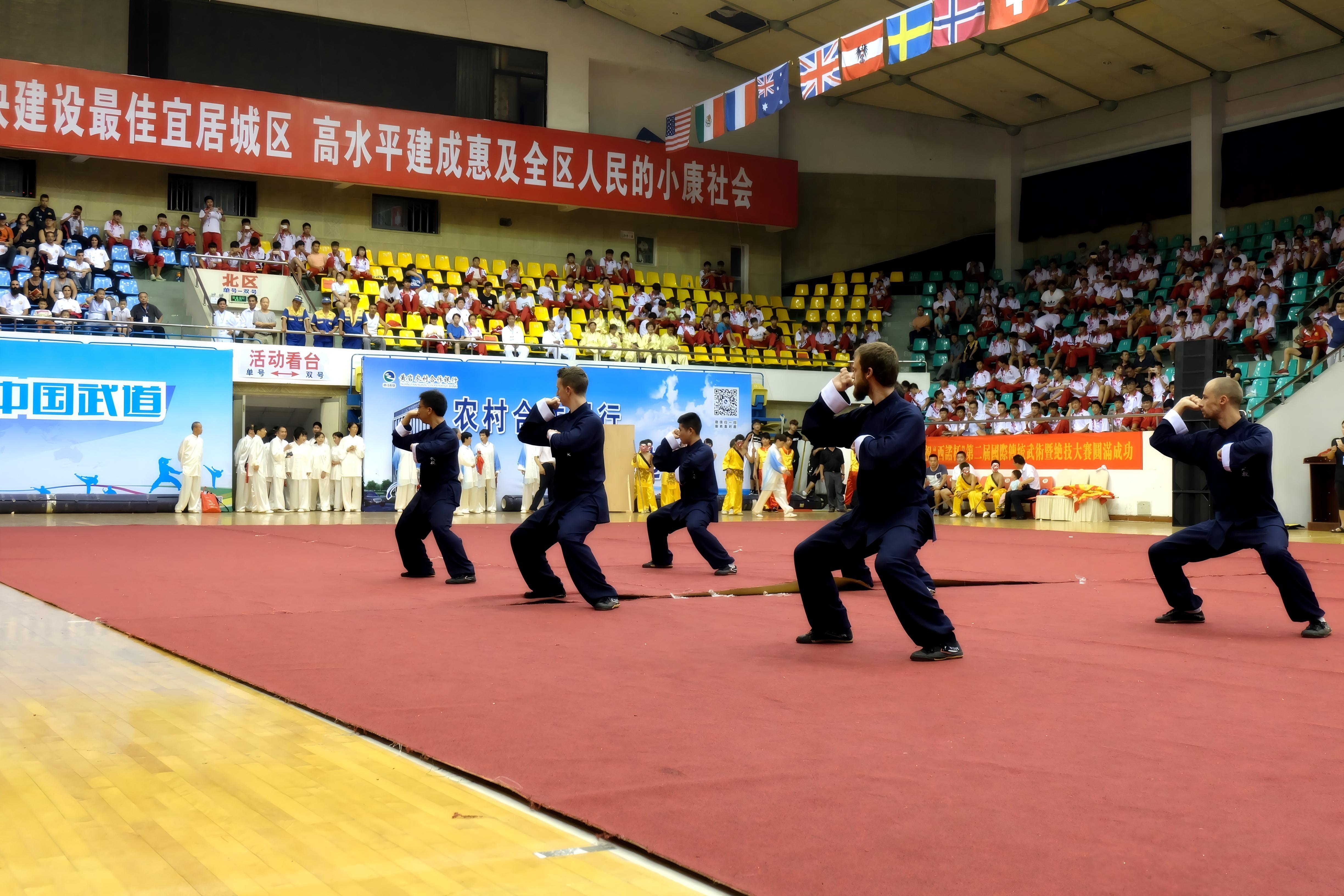
VI. Complete Routines and Weapon Systems of Baji Quan
1. Core Bare-Hand Routines
Baji Quan primarily usesThe Six Great Openings and Eight Great Techniquesserve as the core technical foundation, giving rise to a clearly structured, progressive system of complete bare-handed routines. Mainstream classic routines include: King Kong Eight Forms, Baji Small Frame, Baji Single Combat, Baji Sparring, Baji Six Elbows Head, Baji Six Opening Fist, Baji Arhat Skill, Baji Black Tiger Fist, Baji Silang Kuan, etc., suitable for progression from zero-basis beginner to advanced combat level.
2. Traditional Weapon Routines
Baji Quan's accompanying weapon system is comprehensive, with weapon techniques continuing the style of being fierce, concise, practical, and efficient. Core weapon routines include: Baji Six Harmony Spear, Six Harmony Big Spear, Lifting Willow Scattering Yin Saber, Baji Six Harmony Saber, Baji Traveler Staff, Pudao, Nine Palace Pure Yang Sword, etc. The empty-hand techniques and weapon skills complement each other, forming a complete Baji martial arts system.
VII. Core Values of Baji Quan: Combat, Health Cultivation, and Mind Cultivation
1. Hardcore Practical Combat Value
Baji Quan is a typical traditional martial art that combines practice with combat, emphasizing practical application. It features explosive starts and hard landings, forceful openings and strikes, and continuous forward pressure, with extremely strong close-quarters suppressing power. Due to its concise and efficient combat methods, suitable for sudden close-quarters confrontations, modern military and armed police grappling, back-throwing, and combat systems extensively absorb core Baji Quan techniques such as shoulder pressing, body leaning, and explosive, shocking strikes. Its practical combat effectiveness has been verified within modern systems.
2. Physical Fitness Value
Bajiquan's stance training is solid, footwork is steady, and breath is deep and controlled. Long-term practice can stabilize the lower limbs, strengthen core power, clear the body's meridians, and harmonize qi and blood. Combining movement and stillness with a balance of power and gentleness, it not only hones strength, reaction, and physical coordination but also nourishes the dantian's vital energy, effectively improving modern people's sub-health issues such as loose posture, weak physical fitness, restless spirit, and insufficient qi and blood.
3. Mind and Spirit Cultivation Value
The entire process of practicing Bajiquan requires mental focus, concentration on the dantian, and adherence to proper form in both movement and stillness. Long-term persistence can eliminate impatience, temper a resilient will, and cultivate a character that is decisive, composed, self-disciplined, and upright. Complementary to Tai Chi in its interplay of softness and hardness, it truly achievesBoth martial and civil, cultivating body and mindThe complete cultivation wisdom of Eastern martial arts.
VIII. Introduction to Professional Course Instructors
This school offersAuthentic Orthodox Baji Quan CoursesThe curriculum is complete and the lineage is pure, led by senior Bajiquan mastersGuo XinminLed by instructors, relying on the orthodox lineage system, strictly adhering to the ancient methods, mental techniques, movement standards, and force principles of Bajiquan, beginners can systematically practice, covering foundational building, technique refinement, practical application, and mental cultivation, imparting the pure national intangible cultural heritage martial art of Bajiquan to students.
Tai Chi nurtures the softness of the world, while Baji establishes the firmness of the martial artist. As a northern practical martial art passed down for three hundred years and a national intangible cultural heritage, Baji Quan does not pursue superficiality but seeks only true skill. Rooted in the Six Great Openings and with Close-Body Leaping Strikes as its soul, it stands at the pinnacle of traditional Chinese martial arts with its fierce and pure fist style and highly efficient, practical techniques.
From the folk ancient methods of the Qing Dynasty, to the imperial bodyguard martial techniques of the modern era, and then to the globally popular international combat martial arts, Bajiquan carries the steady dominance of Northern martial arts and the resolute spirit of Eastern martial arts. Practicing Bajiquan, one learns not only the hardcore skills for self-defense and physical fitness, but also the martial spirit of uprightness, courage, steadiness, and perseverance—a Chinese martial arts treasure that transcends time and space and is renowned worldwide.