Shaolin Fist
Temper the body to solidify the foundation of martial arts, strengthen the body for self-defense, and cultivate self-discipline and resilience.
Contact
Detailed Introduction
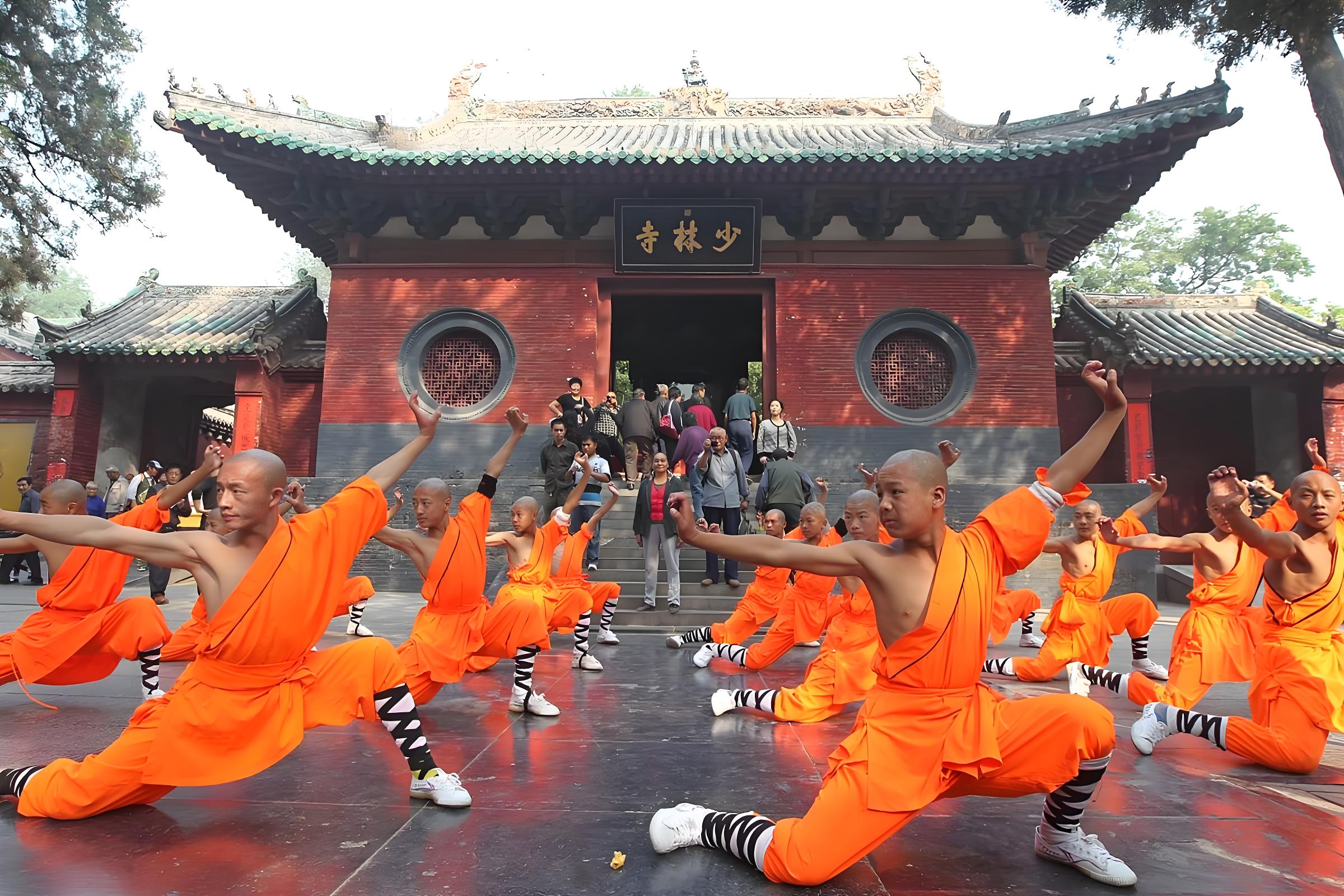
"All martial arts under heaven originate from Shaolin" — this martial arts proverb, which has circulated for hundreds of years, speaks to the unshakable position of Shaolin Fist in the landscape of Chinese martial arts. As the most important birthplace and ultimate synthesis of Chinese martial arts, the Shaolin Temple has nurtured a system of fist techniques that, accumulated over more than 1,500 years, integrates Buddhist Zen philosophy, traditional Chinese medicine for health preservation, and battlefield combat techniques, forming a vast and profound technical treasury. It is both the root of Chinese martial arts and the first calling card for the world to recognize Chinese Kung Fu. This article will take you from historical origins, Zen-martial philosophy, core techniques, to modern value, to truly step into the fierce world of Shaolin Fist.
I. Historical Origins and Development of Shaolin Fist
1. Northern Wei Dynasty Foundation: From Indian Monks to the Sprouting of Shaolin Martial Arts
In the 19th year of the Taihe era of the Northern Wei Dynasty (495 AD), Emperor Xiaowen decreed the construction of the Shaolin Temple at the foot of the Five Peaks on Mount Shaoshi in the Songshan Mountains to settle the Indian monk Bodhidharma. Among Bodhidharma's disciples were those skilled in martial arts, and his disciple Sengchou could "leap to the beam and lift a thousand catties," which is considered the earliest record of Shaolin martial arts. However, at this time, martial arts were merely an auxiliary means for monks to strengthen their bodies and defend themselves, not yet forming a systematic fist technique, and can be considered the prehistoric stage of Shaolin martial arts.
2. Bodhidharma's Wall-Gazing and the Legend of the Sinew Changing Classic
During the reign of Emperor Wu of the Liang Dynasty in the Southern Dynasties, the Indian monk Bodhidharma crossed the river northward and faced the wall for nine years in a stone cave behind the Five Peaks of the Shaolin Temple. Later generations attributed classics such as the "Yi Jin Jing" (Muscle-Tendon Change Classic) and "Xi Sui Jing" (Marrow Washing Classic) to Bodhidharma, and the saying "Bodhidharma created the fist" circulated. Although academia generally believes this saying lacks historical support, Bodhidharma's concept of "wall-gazing" for cultivating the mind and "Zen meditation" for regulating the body profoundly influenced the core spirit of "unity of Zen and martial arts" in Shaolin Fist — Bodhidharma may not be the creator of the fist techniques, but he is undoubtedly the founder of the spiritual temperament of Shaolin martial arts.
3. Sui, Tang to Ming Dynasties: The Thirteen Stick Monks Saving the Tang Emperor and the Rise of Shaolin's Martial Fame
In the fourth year of the Wude era of the Tang Dynasty (621 AD), thirteen martial monks from Shaolin Temple assisted Li Shimin in suppressing Wang Shichong, establishing military merit with their stick techniques, and were rewarded by the imperial court. Shaolin martial arts thus became widely renowned. From the Song and Yuan Dynasties to the Ming Dynasty, the Shaolin Temple extensively absorbed martial arts skills from across the land, forming a complete martial arts system centered on fist and stick techniques, integrating the strengths of various schools. The famous Ming Dynasty anti-Japanese general Yu Dayou personally visited Shaolin to impart the true essence of stick techniques, and the Shaolin stick became known as "the ancestor of all arts." During this period, Shaolin Fist had developed from a means of protecting the temple into a martial arts sanctuary revered throughout the land.
4. Qing Dynasty to Modern Times: From Temple Secret Transmission to Universal Learning
During the Qing Dynasty, the Shaolin Temple once declined because the imperial court prohibited the practice of martial arts among the people, but Shaolin boxing techniques spread widely to the general populace through the dispersal of monks. Many northern martial arts styles, such as Baji Quan, Liuhe Quan, and Tongbei Quan, either originated directly from Shaolin or were deeply influenced by it. During the Republic of China period, the Shaolin Temple was burned down by warlord Shi Yousan, and a large amount of precious literature turned to ashes. After the founding of New China, the state organized large-scale martial arts excavation and compilation work. The 1982 film 'Shaolin Temple' sparked a global Shaolin martial arts craze, and Shaolin boxing entered a new era of revival and international dissemination.
II. Core Theory of Shaolin Boxing: The Unity of Zen and Martial Arts, Cultivating Both Internal and External
1. Unity of Zen and Martial Arts — Cultivating Zen through Martial Arts, Guiding Martial Arts with Zen
The most fundamental characteristic that distinguishes Shaolin boxing from other martial arts styles lies in its spiritual core of 'Unity of Zen and Martial Arts.' In Shaolin martial arts philosophy, practicing boxing is not merely for strengthening the body and defeating enemies, but is also a path for cultivating the mind and comprehending the Dao. Every move and form in the boxing techniques requires a mind free from distractions and focused on the present moment — this aligns seamlessly with the Zen Buddhist pursuit of 'illuminating the mind and seeing one's true nature.' When practice reaches a state of purity, the body follows the mind, and the distinction between the boxer and the boxing dissolves, which is itself a form of dynamic meditation. A Shaolin boxing proverb states: 'Practice the form a thousand times, and the body's movements become natural; practice it ten thousand times, and the principles will reveal themselves.' This is not only the law of martial arts progress but also the Zen process of moving from quantitative change to qualitative change, from physical practice to mental enlightenment.
2. Three Sections and Four Extremities — The Principle of Whole-Body Power Generation
Shaolin boxing divides the human body into 'three sections': the arms as the tip section, the waist and abdomen as the middle section, and the legs and feet as the root section. Each section is further divided into three parts — for example, in the arm, the shoulder is the root, the elbow is the middle, and the hand is the tip; in the leg, the hip is the root, the knee is the middle, and the foot is the tip. The essence of power generation lies in 'the tip initiates, the middle follows, and the root pursues.' Only when the three sections are coordinated as one can the force be transmitted smoothly and unobstructed.
The 'Four Tips' refer to hair as the blood tip, tongue as the flesh tip, teeth as the bone tip, and fingernails as the sinew tip. At the moment of exertion, one is required to have hair standing on end in fury, tongue pressing against the upper palate, teeth clenched tight, and fingers hooked like steel, maximizing the tension of the entire body's fascia in an instant.
3. Eight Forbidden Strikes and Martial Virtue Precepts
Although Shaolin boxing is renowned for its ferocity, masters throughout history have always prioritized teaching martial virtue before imparting techniques. The Shaolin sect rules include the saying of 'Eight Strikes to Avoid': do not strike the temples, do not strike the throat, do not strike the solar plexus, do not strike the ribs, do not strike the groin, do not strike behind the ears, do not strike the back of the head, and do not strike the kidneys. These are all vital points of the human body; a light hit could be fatal. This precept embodies both the Buddhist spirit of compassion and non-violence, and it draws a clear boundary between martial arts sparring and lethal combat. True Shaolin masters often strike with the lightest touch, yet possess the strongest control.
III. Shaolin Boxing Technique System: A Vast and Profound Treasury of Martial Arts Knowledge
1. Classification of Shaolin Fist Techniques
Shaolin Kung Fu is not a single fist style, but a vast system encompassing hundreds of routines, weapons, and techniques. From a stylistic perspective, it can be broadly divided into the following four categories:
- Hard and Powerful Style: Such as Shaolin Great Hong Fist, Small Hong Fist, and Cannon Fist, characterized by powerful, explosive force and expansive, open movements, representing the signature hard style of Shaolin Kung Fu.
- Soft and Neutralizing Style: Such as Shaolin Soft Fist and Shaolin Mian Zhang (Cotton Palm), which appear soft and yielding but actually use softness to neutralize hardness and defeat opponents after they have acted, embodying the other side of Shaolin Kung Fu's balance between hardness and softness.
- Imitative Style: Such as Shaolin Five Animals Fist (Dragon, Tiger, Leopard, Snake, Crane), which imitate the spirit and form of animals, draw from nature, and each have unique offensive and defensive characteristics.
- Close-Range Combat Style: Such as Shaolin Short Strike and Shaolin Close-Combat Fist, which emphasize fighting at close range, using elbows, knees, shoulders, and hips to subdue opponents, moving as fast as lightning and striking with hidden speed and ferocity.
2. Shaolin Hong Fist — The Mother Fist of Shaolin, the King of Fists
Among the many routines of Shaolin Kung Fu, Great Hong Fist and Small Hong Fist are regarded as the "Shaolin Mother Fists," serving as the first threshold for learning Shaolin martial arts. Great Hong Fist features an expansive stance and powerful, heavy force, emphasizing "hands like meteors, eyes like lightning, body like a swimming dragon, legs like arrows." The entire routine encompasses five basic fist techniques—thrusting, chopping, smashing, cannon, and horizontal—along with various footwork and leg techniques. It is a mandatory routine for beginners to establish the correct form and framework of Shaolin Kung Fu. Small Hong Fist is more compact and practical, short yet potent, suitable for further understanding the nuanced variations of Shaolin force generation after mastering Great Hong Fist.
3. Shaolin Luohan Fist and Five Animal Fist Systems
Shaolin Luohan Fist is based on the imagery of the Eighteen Arhats, featuring vigorous and straightforward movements with clear distinctions between offense and defense, making it one of the most widely circulated routines in Shaolin Kung Fu. The Five Animals Fist respectively imitates the dragon's spiraling changes, the tiger's fierce pouncing, the leopard's swift explosiveness, the snake's flexible coiling, and the crane's light pecking. At an advanced level, practitioners can freely switch between five types of force and tactical rhythms within a single routine. The Five Animals Fist is not only a training method for fist techniques but also a comprehensive development of the body's coordination, explosive power, and tactical awareness.
4. Shaolin Staff Technique — Ancestor of All Weapons, Foundation of All Arts
The status of Shaolin staff techniques in the martial arts world is higher than that of Shaolin fist techniques. In the Ming Dynasty, Cheng Zongyou's 'Shaolin Staff Method Elucidation' records that Shaolin staff techniques incorporate the essence of various spear and staff styles, and are particularly renowned worldwide for techniques such as 'Five Tiger Block' and 'Yin Hand Staff'. The basic techniques of the Shaolin staff include chopping, collapsing, wrapping, dotting, sweeping, poking, lifting, and flicking. The staff is typically eyebrow-length, though there are also staffs as long as twelve feet. Training the staff begins with training the waist; the waist moves the staff, the staff follows the body, and the body and staff become one. A Shaolin martial arts proverb states: 'Fist is the source of all arts, staff is the ancestor of all weapons.' Shaolin Temple still regards staff techniques as the most important introductory weapon; those who learn fist must first practice the staff.
5. Other Representative Shaolin Weapons
- Shaolin BroadswordSaber: The technique flows like a tiger, with 'wrapping the head and covering the brain' as its signature movement, integrating offense and defense.
- Shaolin SwordsmanshipSword: The sword moves like a swimming dragon, light and elegant, belonging to the 'literary practice' style among Shaolin weapons, emphasizing sword intent and body movement.
- Shaolin Spear TechniquesSpear: The spear thrusts in a straight line, with blocking, seizing, and thrusting as basic spear techniques. The spear emerges like a hidden dragon leaving water, and retracts like a fierce tiger entering its lair.
- Shaolin Double WeaponsPaired Weapons: Such as double sabers, double hooks, and double whips, training hand coordination and the ability to attack from both sides.
6. Shaolin Secret Skills and Power Training
Shaolin fist is world-famous for its 'Seventy-Two Arts', which is actually a general term for various techniques, not exactly seventy-two kinds. Among them, widely known skills include:
- Two-Finger ZenTwo-Finger Zen: Supporting the body upside down or doing push-ups with two fingers, is an extremely difficult finger strength technique that cannot be mastered without years of hard work.
- Iron Shirt: Shaolin hard qigong, combining striking conditioning, medicinal washing, and breathing techniques, gradually strengthens the body's ability to withstand impacts across various areas.
- Plum Blossom Poles: Walking, standing, and even practicing sparring on wooden stakes erected on the ground trains lower body balance and spatial awareness.
Although these techniques carry a legendary aura, the training principles behind them—progressive overload, gradual intensification, and integrated cultivation of internal and external aspects—remain the guiding principles of modern sports science training today.
IV. Representative Schools and Lineages of Shaolin Fist
1. Songshan Shaolin Temple — The Ancestral Home of Shaolin Worldwide
The Shaolin Temple on Mount Song is the fundamental origin and highest center of inheritance for Shaolin Fist. The temple still preserves a systematic teaching system of Shaolin martial arts, led and passed down by the Abbot of the Shaolin Temple and the Warrior Monk Corps. The Mount Song Shaolin Fist style is ancient and robust, retaining the purest characteristics of Shaolin's 'punching along a single line' movement path and its fierce, explosive power generation, and is regarded as the orthodox source of Shaolin Fist.
2. Southern Shaolin and Fujian-Guangdong Shaolin Fist
Legend has it that after the Shaolin Temple was destroyed during the Qing Dynasty, some warrior monks fled south to Putian, Fujian, and rebuilt the Southern Shaolin Temple at Jiulian Mountain, thus forming the Southern Shaolin Fist system, which differs greatly in style from the Northern Shaolin. Southern Shaolin Fist is characterized by short bridges, narrow stances, and close-quarters combat, specializing in palm and elbow techniques. Representative styles include Wuzu Quan, Hong Quan, and Cai Li Fo Quan, and are widely spread in Fujian, Guangdong, and Southeast Asia.
3. The Flourishing Variety of Folk Shaolin Fist
Since the Ming and Qing dynasties, Shaolin Fist has spread throughout the country with the movement of warrior monks and lay disciples, integrating and exchanging with local fist styles, and giving rise to various distinctive folk Shaolin Fist schools. For instance, the Henan region still retains many authentic ancient Shaolin Fist methods, the Shaolin Fist in the Hebei area incorporates more Northern Long Fist characteristics, and the Shaolin Fist in Sichuan has absorbed the softening features of Emei martial arts. Shaolin Fist has thus moved from the temple gates to encompass the entire land of China.
V. The Modern Value of Shaolin Fist
1. A Golden Course for Youth Physical Development
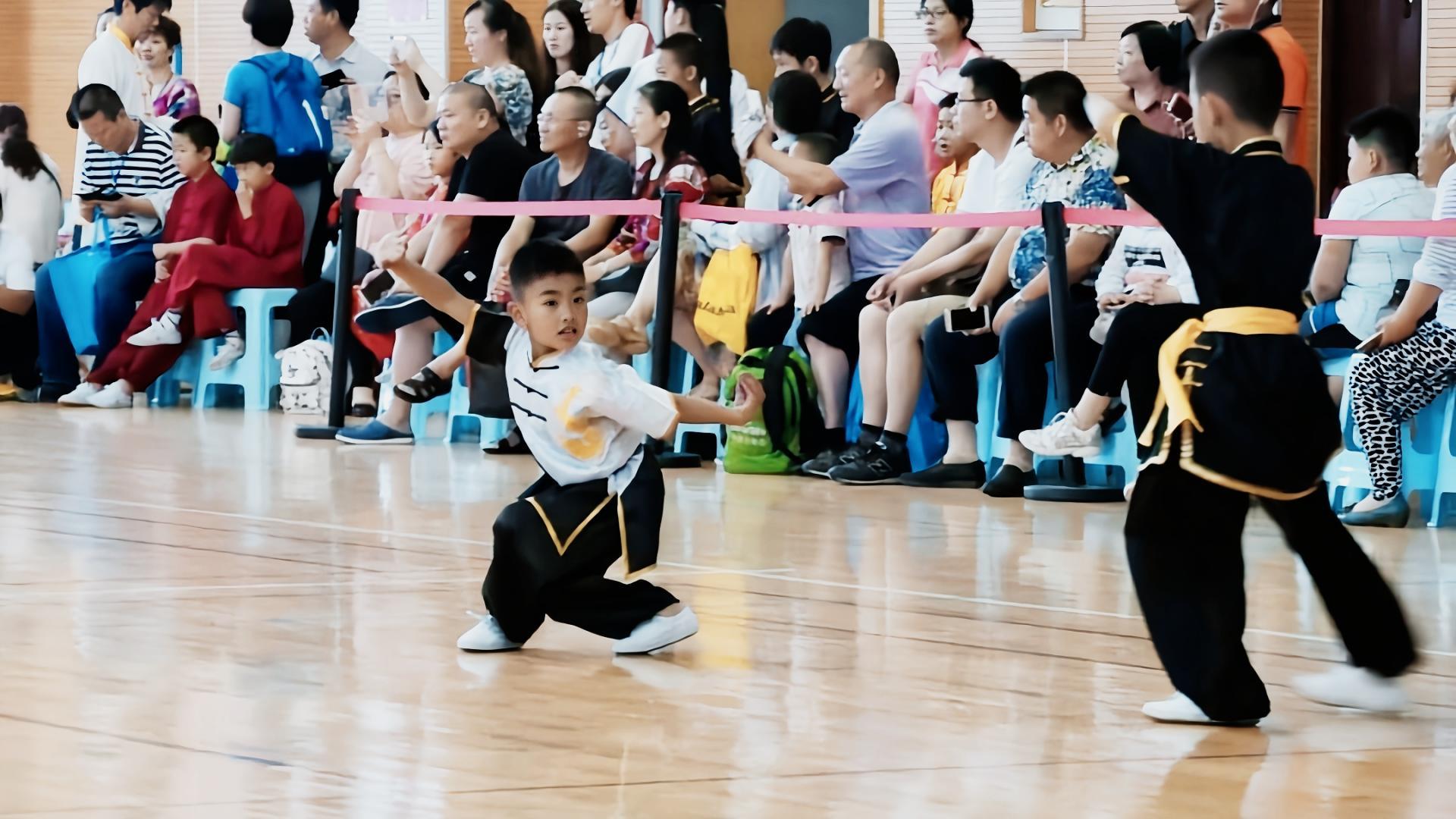
Shaolin Kung Fu features expansive movements, powerful force generation, and distinct rhythm, offering significant training benefits for teenagers' flexibility, coordination, explosive power, and cardiopulmonary function. At the same time, Shaolin Kung Fu's emphasis on martial virtue and etiquette — learning courtesy first, establishing rules before starting a form — can effectively cultivate children's sense of discipline and respect, achieving character education alongside physical strengthening.
2. Adult Self-Defense and Physical Improvement
Shaolin Kung Fu encompasses a large number of combat-oriented offensive and defensive techniques. Its straightforward, powerful, and concise style is highly suitable for responding to sudden conflicts. Meanwhile, Shaolin stance training and breathing exercises also have positive effects on improving chronic strain in the shoulders, neck, waist, and back, enhancing core strength, and correcting posture. Practicing Shaolin Kung Fu trains not just the fists used for fighting, but also the backbone needed to support life.
3. Cultural Heritage and Spiritual Cultivation
Learning Shaolin Kung Fu is inherently a profound dialogue with 1,500 years of Chinese civilization. From the forms, one can feel the focus of Zen; from the routines, one can understand the combat wisdom of the ancients; from the martial virtue precepts, one can comprehend the philosophy of 'the benevolent are invincible.' In today's fast-paced modern life, Shaolin Kung Fu offers not just physical exercise, but also an entry point for the mind to return to focus and tranquility.
From the morning bells and evening drums of Batuo's founding of the temple, to Bodhidharma's nine years of silent meditation facing the wall; from the heroic assistance of the thirteen monk soldiers to the Tang Dynasty, to the global sensation of the film 'Shaolin Temple' — Shaolin Kung Fu has traveled a long and glorious journey over 1,500 years. Today, it is both an undisputed spiritual symbol of Chinese martial arts and a shared cultural treasure for Kung Fu enthusiasts worldwide. Whether you come for self-defense, fitness, or cultural interest, the door of Shaolin Kung Fu is open to all. Between the rising and falling of your fists, you will not only encounter a stronger body, but also potentially meet a calmer, more resilient version of yourself.