Tai Chi and Tai Chi Health Cultivation Techniques
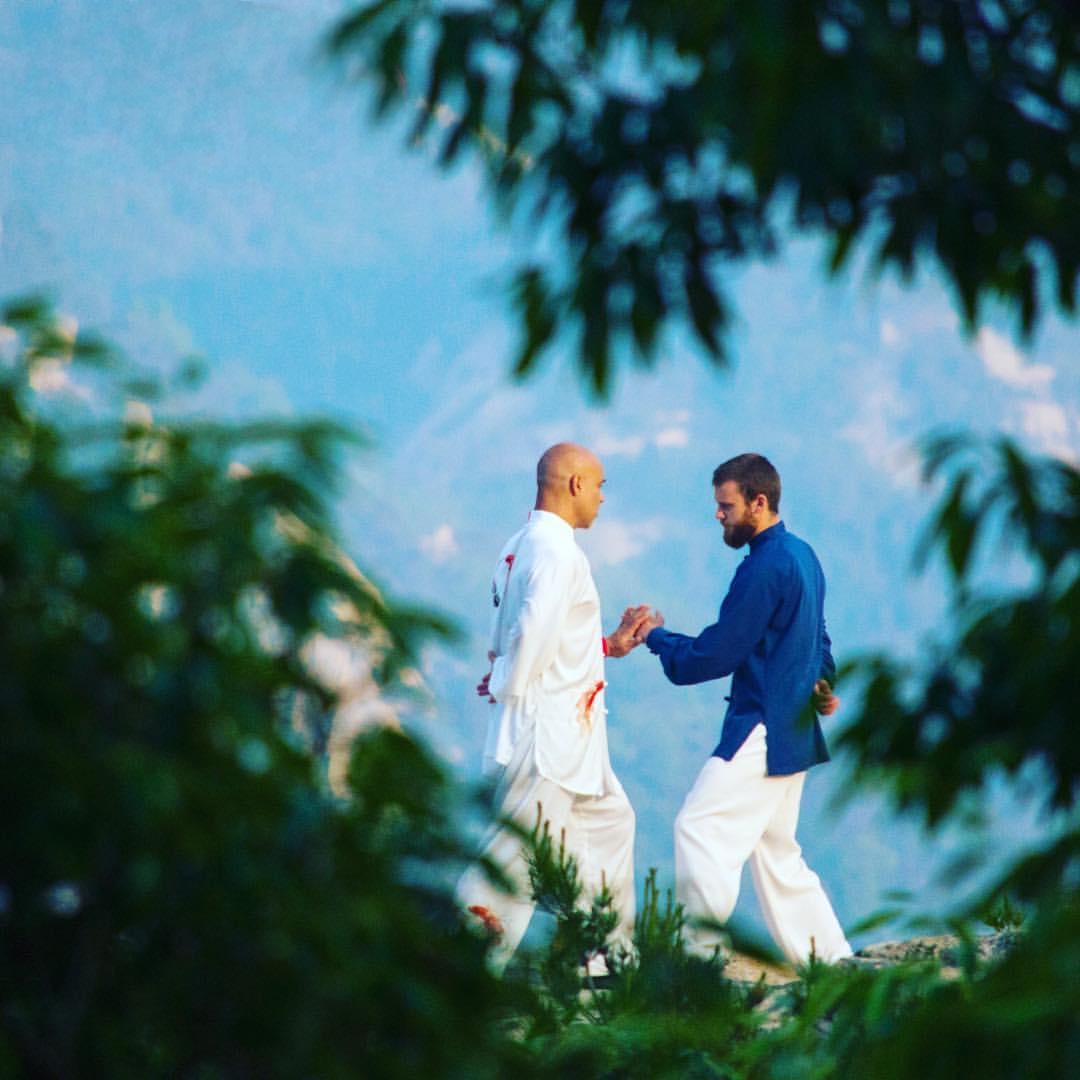
Practicing Tai Chi harmonizes Qi and blood, soothes the body and mind, and has multiple effects such as health preservation, mental tranquility, and soft self-defense.
Contact
Detailed Introduction
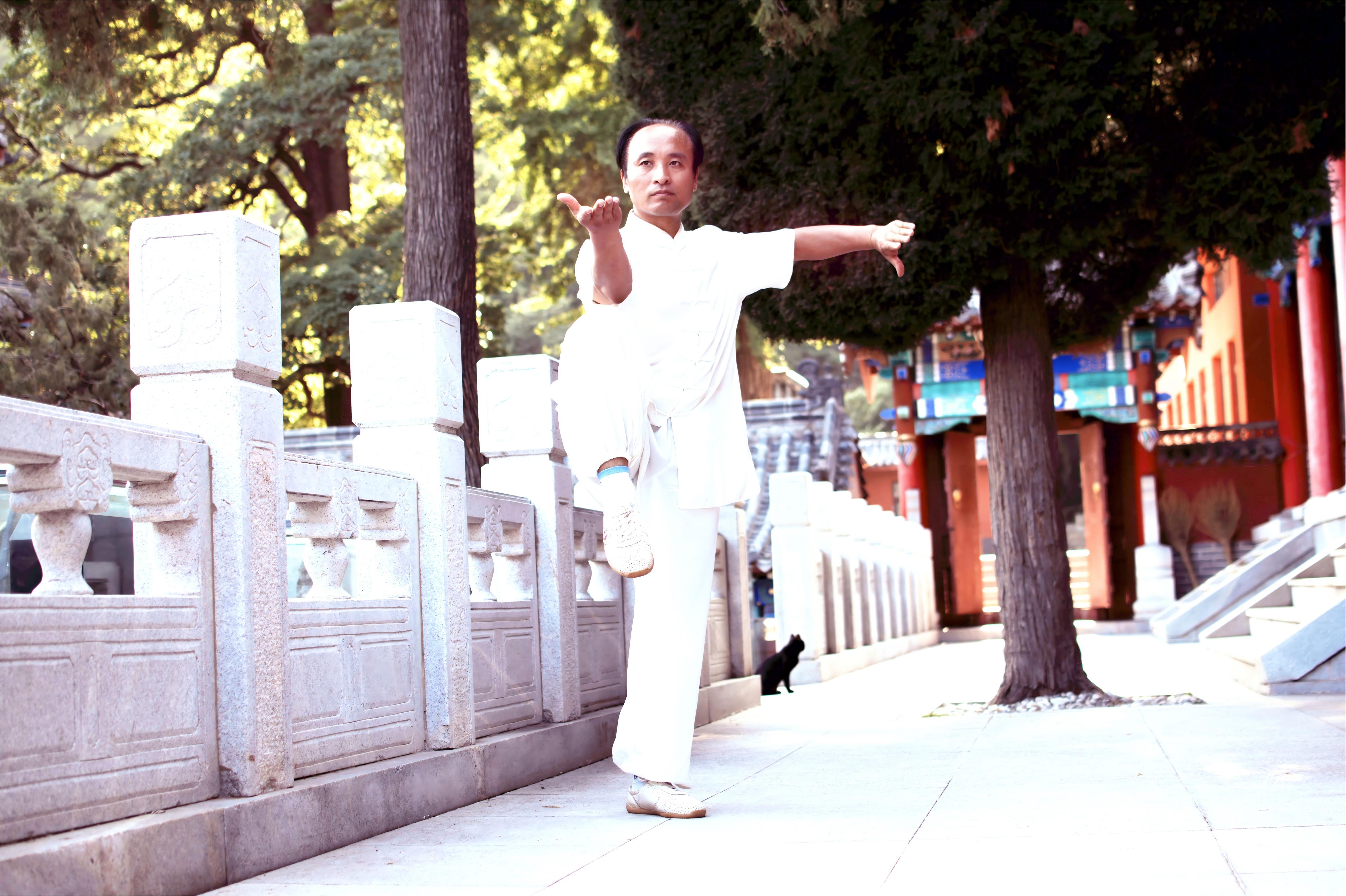
Tai Chi, this gem atop the crown of traditional Chinese culture, has long transcended the scope of ordinary martial arts. It is philosophically rooted in the Yin-Yang theory of the 'Book of Changes' (I Ching), uses Traditional Chinese Medicine meridian theory as a guide for the body, and fuses martial combat, health preservation and disease prevention, and spiritual cultivation into one. Today, over 150 countries worldwide and hundreds of millions of people practice Tai Chi; this is no coincidence—it is both 'meditation in motion' and 'flowing medicine,' and moreover, an excellent pathway for modern people to regain physical and mental balance in a fast-paced life. This article will guide you from a basic to an in-depth understanding, building a complete cognitive map of Tai Chi, from its historical evolution and core theories to its main schools and the specific cultivation methods of Tai Chi health-preserving exercises.
I. Historical Origins and Philosophical Foundation of Tai Chi
1. The Source of Creation: From Zhang Sanfeng to Chen Wangting
Regarding the origin of Tai Chi, the most widely circulated tale is that Zhang Sanfeng, a Daoist priest of the Wudang Mountains during the late Yuan and early Ming dynasties, observed a fight between a snake and a crane, comprehended the principle of overcoming hardness with softness, and created the art. While this legend is poetic, more precise historical records point to Chen Wangting of Chen Family Village in Wen County, Henan, during the late Ming and early Qing dynasties. Chen Wangting was a retired military general proficient in both civil and martial arts. He compiled family-inherited boxing techniques, absorbed the 32-form Long Fist from the 'New Treatise on Military Efficiency' (Ji Xiao Xin Shu) by the famous Ming general Qi Jiguang, and integrated guiding and breathing exercises along with TCM meridian theory to create the earliest systematic Chen-style Tai Chi. The evolution of Tai Chi over the subsequent centuries can largely be traced back to this source in Chen Family Village.
2. The Soul of Philosophy: Yin-Yang, the Five Elements, and the Tai Chi Diagram
Tai Chi is named 'Tai Chi' because its core guiding principle is the 'Book of Changes'' concept that 'the interplay of Yin and Yang is called the Dao.' The black and white fish shapes in the Tai Chi diagram represent the dynamic balance of mutual rooting, waxing and waning, and transformation between Yin and Yang. In the boxing art, emptiness and fullness, opening and closing, hardness and softness, advance and retreat, and breathing are everywhere a unified pair of Yin-Yang contradictions. The process of practicing the art is the process of constantly seeking balance in motion and maintaining centered stability amid change. In this sense, Tai Chi is a way of experiencing Chinese philosophy through the body—you are not just practicing boxing; you are practicing the Dao of Yin and Yang.
3. From Martial Art to National Treasure: The Spread and Development of Tai Chi in Modern Times
In the late Qing and early Republic era, Yang Luchan modified Chen-style Tai Chi, removing difficult movements like jumping and explosive force to form the more gentle and flowing Yang-style Tai Chi. He began teaching in the princely mansions of Beijing, bringing Tai Chi out of the countryside and into the mainstream social sphere for the first time. Subsequently, other schools such as Wu, Wu (Hao), and Sun styles emerged. After the founding of the People's Republic of China, the State Sports Commission organized experts to create the 24-form Simplified Tai Chi and promoted it as a national fitness project. From then on, Tai Chi truly became accessible to the masses and evolved into a cultural calling card for China.
II. Core Theory of Tai Chi: Using Stillness to Overcome Motion, Four Ounces Deflect a Thousand Pounds
1. Loosening the Waist and Sinking the Hips with an Upright Head — The First Principle of Structure
The requirements of Tai Chi for body structure are condensed into eight characters: "Xu Ling Ding Jin, Qi Chen Dan Tian". The top of the head feels as if it is being lightly suspended upward by a thread, naturally elongating the spine; from the waist and hips downward, the requirement is to relax and sink, placing the center of gravity steadily on the Yongquan acupoint at the sole of the foot. Once this mechanical structure of opposing pull between upper and lower body is established, the body gains a spring-like elasticity and sense of stability—when external force comes, you can sink and absorb it; when issuing power, you can project it through. All practice of the form is ultimately aimed at training this bodily perception into muscle memory.
2. With the waist as the axis, each segment is connected in sequence.
Every movement in Tai Chi follows the force transmission path of 'its root is in the feet, it originates from the legs, is governed by the waist, and manifests in the fingers.' The waist is the central hub; all rotations begin with a slight initiation from the waist. The force rises from the earth, passing through the ankles, knees, hips, waist, shoulders, elbows, and finally reaches the wrists and fingertips. When this process is practiced to mastery, it creates a flowing sensation of 'continuous connection through each joint.' The force is neither stagnant nor rigid, flowing like water from the soles of the feet through the entire body to where it needs to go.
3. Listening and Neutralizing Force — The Combat Wisdom of Overcoming Hardness with Softness
When engaging in push hands with others, Tai Chi does not advocate blocking or resisting force with force, but rather emphasizes 'sticking, adhering, joining, and following, without losing contact or resisting.' 'Listening to energy' involves using the skin and joints to perceive the direction, magnitude, and intention of the opponent's force; 'neutralizing energy' means subtly rotating along the opponent's line of force to lead their power into emptiness. At an advanced level, one can react before the opponent has even initiated movement, which is the realm of 'others do not know me, but I alone know them.' This precise sensory ability, which relies on touch rather than sight, is a unique hallmark that distinguishes Tai Chi from other martial arts.
4. Using Intent, Not Brute Force — Transforming Clumsy Strength into Internal Power
The most common mistake beginners make in Tai Chi is 'using muscular force to practice the form'—shoulders hunched, arms stiff, and breath held. Tai Chi requires the exact opposite: gradually releasing muscular tension, using intention to guide movement, and awakening the body's deep fascia and internal coordination in a state of relaxed alertness. As the saying goes, 'When the mind arrives, the qi arrives; when the qi arrives, the power arrives.' When the body truly learns to relax and integrate, the instantaneous burst that emerges is 'internal power'—a kind of heavy, penetrating, whole-body force that requires no preliminary swing. This process cannot be rushed, nor can it be faked.
III. Overview of the Five Major Schools of Tai Chi
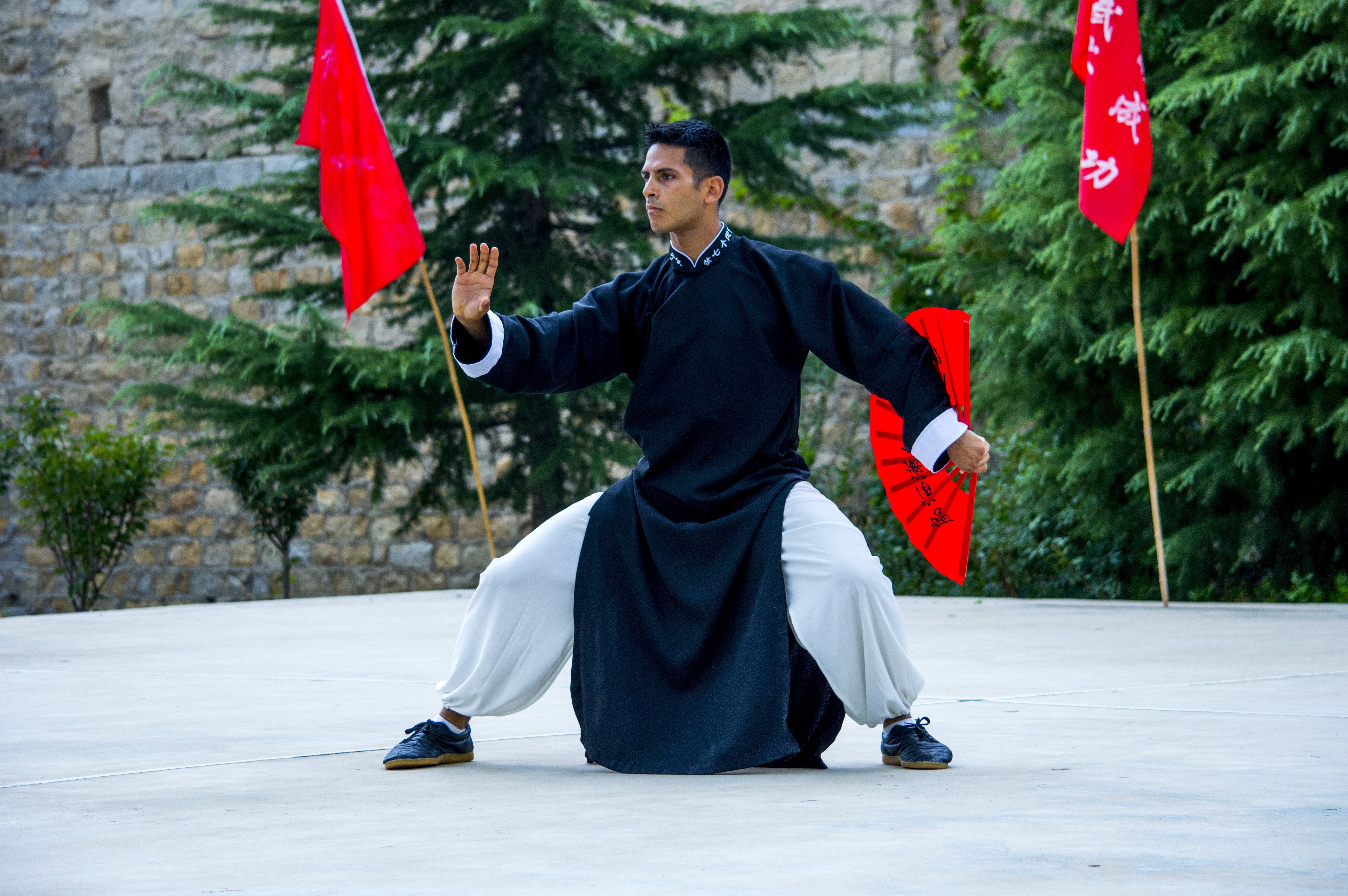
1. Chen Style Tai Chi - Spiral winding, combining hardness and softness
Chen-style Tai Chi is the origin of all Tai Chi schools. Its distinctive feature is the "silk-reeling energy" that runs throughout, with movements spiraling in and out like wringing a towel. The Chen-style form retains clear explosive force (fajin) movements, foot stomps, jumps, and rapid transitions between hardness and softness. When hard, it is like thunder and lightning; when soft and yielding, it is like flowing clouds and water. Representative routines include Old Frame First Road, Old Frame Second Road, and New Frame First Road. It is suitable for those who enjoy a sense of power, seek an authentic traditional martial arts style, possess good physical fitness, or have some martial arts foundation.
2. Yang-style Tai Chi — Expansive, Grand, Gentle, and Continuous
Yang-style Tai Chi was created by Yang Luchan and later refined and perfected by his son Yang Jianhou and grandson Yang Chengfu. It simplified the leaping, jumping, and overt explosive force from Chen-style, evolving into a style that is expansive and grand, with even speed, gentle and continuous flow. It is the most widely practiced of all Tai Chi styles. The 85-form large frame standardized by Yang Chengfu remains one of the most practiced traditional Tai Chi routines globally. Due to its smooth movements, graceful posture, and relatively moderate physical demands, it is highly suitable for beginners with no prior experience, middle-aged and elderly practitioners, or those seeking relaxation, softness, and health cultivation.
3. Wu-style Tai Chi — Uprightness within Inclination, Compact and Nimble
Wu-style Tai Chi originates from Yang-style and was standardized by the Manchu practitioner Quan You and his son Wu Jianquan. Building on Yang-style's softness and relaxation, its form leans forward slightly, embodying "uprightness within inclination." The hand techniques are more delicate and compact, excelling in neutralizing and yielding force. The movement amplitude is not large, but the internal rotation is precise. It is suitable for those who enjoy studying force transformation, seek delicate techniques, have a quiet disposition, or wish to deeply understand the principles of neutralizing force in Tai Chi push hands.
4. Wu-style and Sun-style — Equal Emphasis on Theory and Method, Opening-Closing and Storing-Releasing
Wu-style Tai Chi was created by Wu Yuxiang, with particular emphasis on theoretical summary and subtle body mechanics. Its form is small and compact, with the left and right hands each governing half of the body in a strict division of labor. Sun-style Tai Chi was created by Sun Lutang, integrating Tai Chi, Xingyi, and Bagua. Its characteristics include flexible footwork, rapid advancing and retreating with follow steps, and distinct transitions between opening and closing hands. Wu-style suits those who enjoy rational study and value theoretical analysis; Sun-style, due to its flexible footwork, is more attractive to those who are agile and wish to experience the flavors of all three internal martial arts simultaneously.
4. Tai Chi Health Cultivation Practices: Deep Cultivation Beyond the Form
1. Zhan Zhuang (Standing Meditation) — The Fundamental Practice Where Stillness Surpasses Movement
Zhan Zhuang (standing meditation) is the most important and fundamental practice in the Tai Chi health cultivation system. Common forms include the 'Wuji Stance' and the 'Hunyuan Stance': standing with feet parallel, knees slightly bent, waist relaxed and hips sunk, holding the hands in a circle in front of the chest or letting them hang by the sides, maintaining this static posture for anywhere from a few minutes to half an hour. Zhan Zhuang is not just standing still; it allows the body to self-adjust in stillness—tense areas gradually relax, misaligned skeletal structures slowly return to their proper positions, and a scattered mind gradually gathers and sinks to the Dantian. Long-term adherence to Zhan Zhuang has a significant regulatory effect on hypertension, insomnia, chronic cervical and lumbar strain, and anxiety states.
2. Ba Duan Jin and Wu Qin Xi — The Classic Combination of Guiding and Regulating Breath
Many Tai Chi practitioners incorporate Baduanjin (Eight Pieces of Brocade) as a warm-up or as an independent health cultivation practice. Baduanjin consists of eight movements, each paired with deep, long abdominal breathing, providing gentle stretching and massage for specific internal organs and regions, including the Sanjiao (Triple Burner), heart and lungs, spleen and stomach, liver and kidneys, and the spine. Wuqinxi (Five Animal Frolics) mimics the forms and spirits of five animals—the tiger, deer, bear, ape, and bird—to mobilize joints and meridians throughout the body. Both sets of exercises are simple to learn and practice, require no specific location, and serve as excellent companion training for Tai Chi.
3. Tai Chi Internal Cultivation and Breathing Techniques — From Regulating Breath to Nourishing Qi
Tai Chi breathing follows the principles of 'fine, even, deep, and long,' based on abdominal breathing (sinking Qi to the Dantian). In the beginner stage, only natural breathing is required; once movements are proficient, practitioners gradually attempt to coordinate breathing with 'inhaling on opening, exhaling on closing' and 'inhaling on rising, exhaling on sinking.' At more advanced levels, focus shifts to the opening and closing sensations between the Dantian and Mingmen (Gate of Life), cultivating internal energy through specific internal skill methods (such as Dantian internal rotation, Microcosmic Orbit guidance, etc.). It is important to note that internal skill cultivation should be done progressively under the guidance of an experienced teacher; one must never hold their breath or force guidance on their own.
4. Daily Practice Recommendations for Tai Chi Health Cultivation
To achieve substantial health benefits, the key lies in 'regularity.' For general health maintenance, it is recommended to practice Zhan Zhuang for 15-20 minutes daily, followed by about 30 minutes of form practice or Baduanjin. Practicing in the morning when the air is fresh and the body is not yet fatigued is optimal, though evening is also a good time. Before practice, avoid an empty stomach or overeating; choose breathable, loose clothing and flat, soft-soled shoes, find a quiet, well-ventilated space, and you can begin your daily cultivation. After three months of persistence, most people will notice significant improvements in sleep quality, stronger legs and lower back, and more stable emotions.
V. The Modern Value of Practicing Tai Chi
1. An Excellent Adjunct for Recovering from Chronic Illnesses
Extensive modern medical research confirms that regular Tai Chi practice significantly improves balance, prevents falls in the elderly, lowers blood pressure, alleviates osteoarthritis pain, and enhances the quality of life for patients with chronic heart failure. Tai Chi movements are slow, with minimal joint impact, making it a very safe, low-intensity aerobic exercise. Simultaneously, the isometric contraction mode of the muscles effectively stimulates the bones, helping to prevent osteoporosis.
2. The Antidote to Mental Stress: Dynamic Meditation
Tai Chi requires focused intention, slow movement, and deep, long breathing. When these three elements unite, the brain enters a state similar to mindfulness meditation, reducing levels of norepinephrine and cortisol, activating the parasympathetic nervous system, and allowing the body and mind to truly enter a mode of repair and relaxation. Many practitioners say that after completing a set, the irritability in their mind feels washed away by flowing water, leaving behind a clear sense of calm.
3. From 'Practicing Martial Arts' to 'Cultivating the Mind'
Long-term practice of Tai Chi subtly transforms one's temperament. In push hands, we are taught to 'follow the momentum, neither disconnect nor resist'—when encountering force, do not clash head-on, but rather go around it, redirect it; in the form practice, we are taught to 'maintain central equilibrium and comfortable alignment'—regardless of external changes, hold your center of gravity and rhythm. These principles of the art inherently contain a highly harmonious philosophy of life.
From the rural village forms in Chenjiagou three hundred years ago to the Tai Chi morning practice groups found worldwide today, Tai Chi has proven its vitality in the gentlest of ways. It does not demand physical fitness, nor does it require specific age or gender, nor does it insist on reaching any particular level of mastery. It simply offers you a quiet moment each day to be with your own body, and then, through gradual accumulation, it silently transforms your health, mindset, and bearing. If you are seeking an exercise you can practice for a lifetime, Tai Chi may very well be that answer.